Popular searches
On semadeni.com
Mentioned in the text
Products in the webshop
Process · Plastics technology
Injection-moulded parts in series from our own plant in Switzerland – clamping forces from 22 to 180 t, an ISO 7 cleanroom, technical and food-grade thermoplastics. As contract moulding on your tool, or on a tool from our own mould shop.
What is injection moulding?
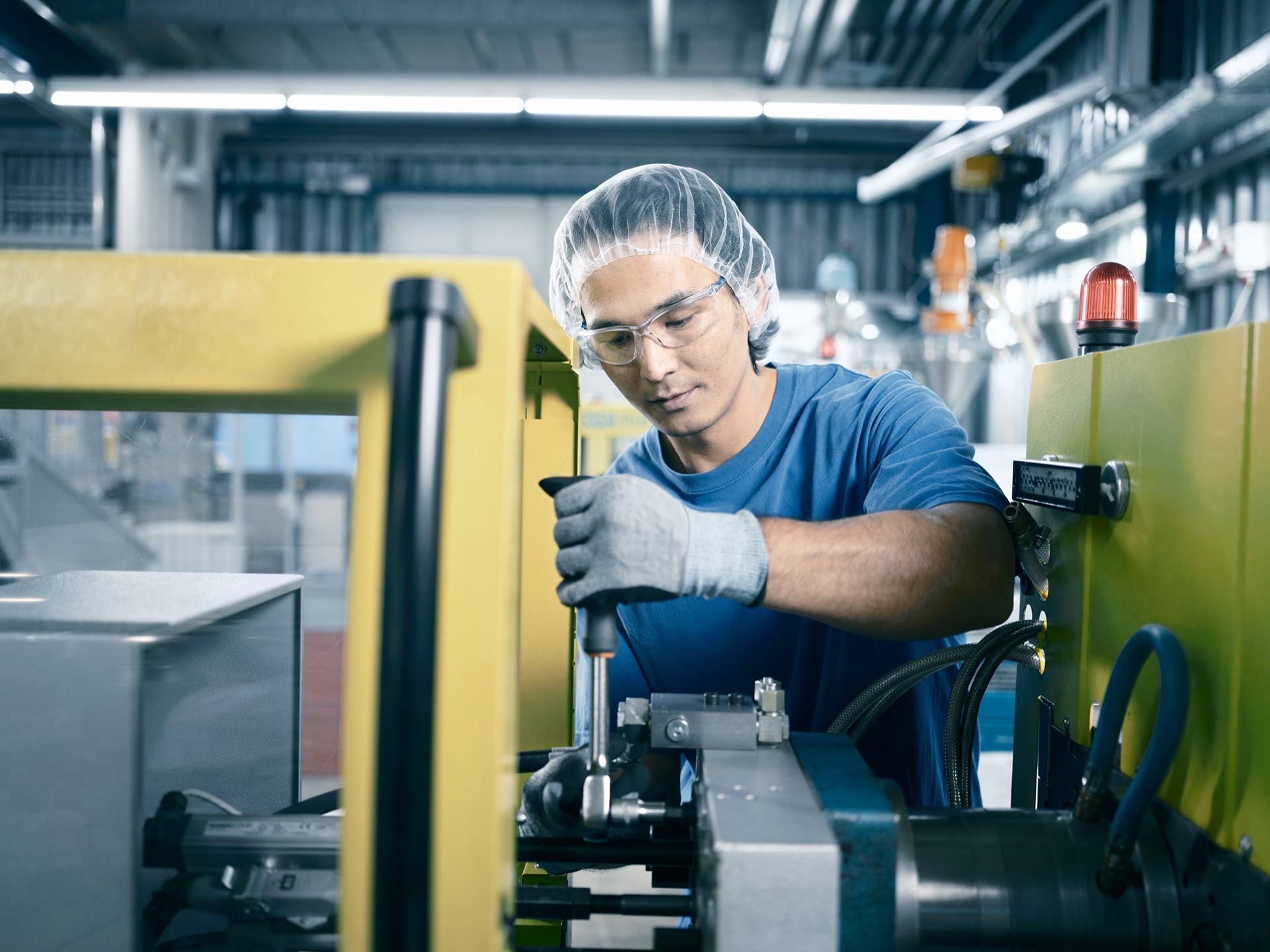
Injection moulding is a process for the series production of plastic parts: plastic granulate is melted, injected under pressure into a mould, cooled and demoulded. It suits medium to high volumes with consistent precision and reproducibility. Semadeni manufactures injection-moulded parts in its own plant in Ostermundigen on machines with 22 to 180 t clamping force, complemented by an integrated ISO 7 cleanroom. Production runs as contract moulding on a tool you already own, or on a tool from our own mould shop. We process technical and food-grade thermoplastics; suitability is clarified per product and per use.
Process
Integrated cleanroom with three machines (35 t clamping force) – for medical technology and hygiene-critical parts. Semadeni is certified to EN ISO 13485.
Consistent dimensions and quality across the entire series – decisive for functional and assembly parts.
After the tooling investment the cost per part drops markedly; the economics are clarified per project.
Technical and food-grade thermoplastics – from PP and PE-HD to PC, POM and PA – depending on the requirement.
Function integration, multi-component and fine details in a single shot instead of several operations.
Smooth, textured or printable – straight from the tool, complemented by assembly and finishing.
Scalable from sampling through pre-series to running large-scale production, with documented QA.
A frame for pre-qualification. Concrete values are set per project from the part, material and quantity.
From enquiry to series delivery
Clarify part, material and target quantity, check feasibility.
Set up and sample your existing tool – or a new one from our mould shop.
Scalable series production across the whole machine park, in the cleanroom on request.
Visual inspection or SPC, batch traceability and inspection reports as needed.
Printing, assembly and finishing, then delivery from Ostermundigen.
Process animation
For which parts & industries?
Multi-cylinder moulding
New in our moulding plant: a machine with two independent injection units – each with its own screw, temperature and injection profile. This opens two fields of use: two-component parts with hard-soft combinations, and parts filled in parallel from a single material. The animation shows both directly on the sectional view.
Unit 1 moulds the carrier (e.g. PP), unit 2 the TPE seal – bonded in the mould. Joining, gluing and inserting seals are eliminated.
Temperature, speed and injection profile run independently per unit – even materials with widely differing processing windows can be combined.
Both units inject simultaneously at several gates: shorter flow paths, lower injection pressure, less warpage – and the weld line is placed under control.
Two smaller barrels dose more finely and the melt dwells for less time – an advantage for thermally sensitive materials such as POM or biopolymers.

Questions about multi-cylinder moulding?
We assess with you whether your part benefits from the multi-cylinder process – from the material pairing to the mould design.
Michael Frei · Head of Injection Moulding
In detail
This page covers the manufacture of the parts. Everything about the tool itself – tool design, Moldflow analysis, cavity count and gating system, tooling costs and amortisation, maintenance, storage and the takeover of an externally built tool – is on the mould making & tooling page.
From the assortment
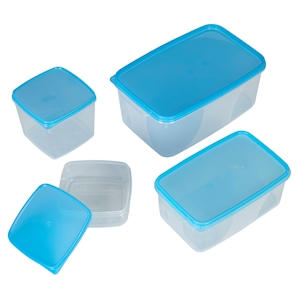
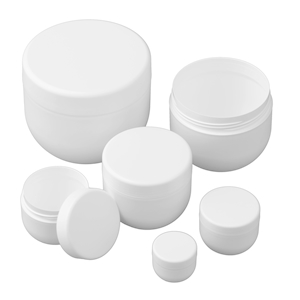
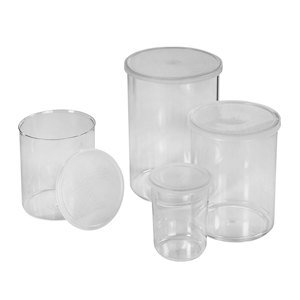
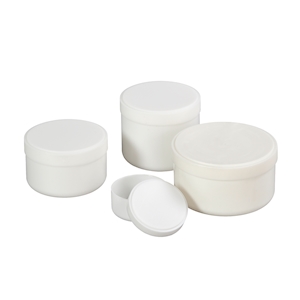
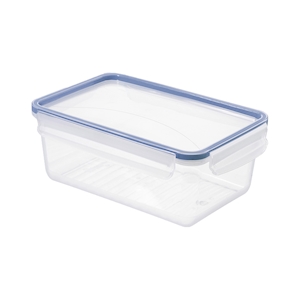
A large part of the standard range is injection-moulded: round and rectangular jars in polypropylene (PP), polyethylene (PE-HD) and polystyrene (PS), available from stock. Dedicated tooling only pays off where geometry, quantity or function go beyond the range – Semadeni then produces in Ostermundigen.
Injection moulding is worthwhile when identical parts are to be produced reproducibly in medium to high volumes. The initial tooling investment amortises over the series through low unit costs and constant quality. For small quantities or large-area parts, thermoforming can be more sensible – we clarify this from your part.
In contract moulding the customer provides the injection mould; Semadeni handles set-up, manufacturing, quality control and delivery of the moulded parts. The tool stays your property, stored and maintained with us. A tool from another manufacturer can be taken over – the mould making & tooling page describes how.
Yes – every injection-moulded part comes out of a part-specific tool. Either you bring an existing tool (contract moulding), or we build one in our mould shop. For samples, functional parts and small volumes no tool is needed: there, CNC machining or 3D printing is the more economical bridge. Tool concept, cavity count and tooling costs are covered on the mould making & tooling page.
A drawing or 3D model, the desired material (or the requirement), the target annual quantity as well as details on use, tolerances and any standards are helpful. If a tool already exists, we additionally need tool data, cavity count and the previous manufacturer.
Injection moulding is designed for medium to high volumes, typically from around 1,000 pieces; for samples and pre-series the route runs through sampling. Our machine park covers clamping forces from 22 to 180 t – the economic lower limit depends on the part, the tooling effort and the material.
Yes. The plant has an integrated ISO 7 cleanroom with three machines at 35 t clamping force – for medical technology and hygiene-critical parts. Semadeni itself is certified to EN ISO 13485, for the production and distribution of plastic products for medical devices; the specific requirements for packaging, documentation and traceability are clarified per product.
References
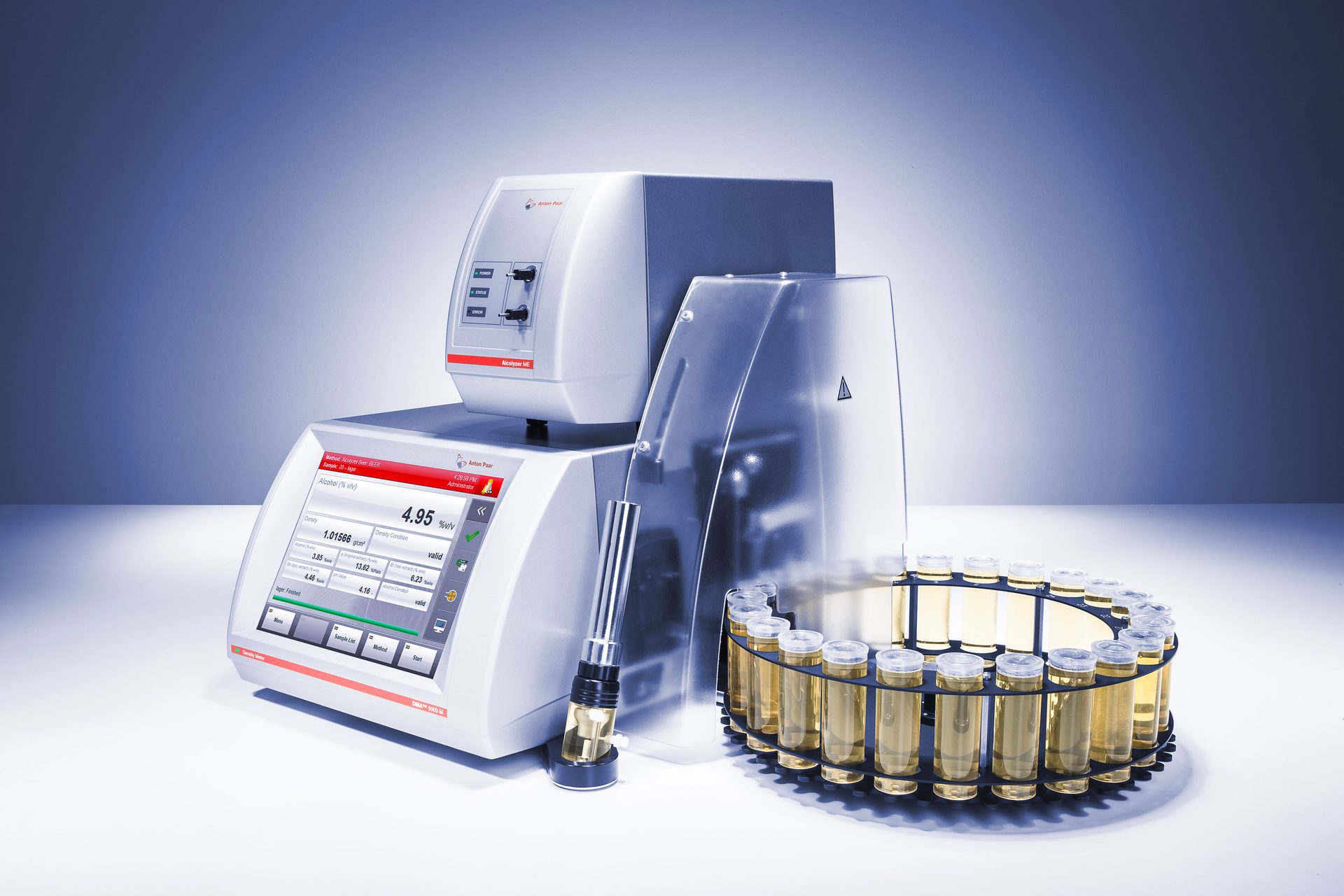
Reagent tubes in special dimensions for Anton Paar's sample changers – injection moulded at the Ostermundigen plant.
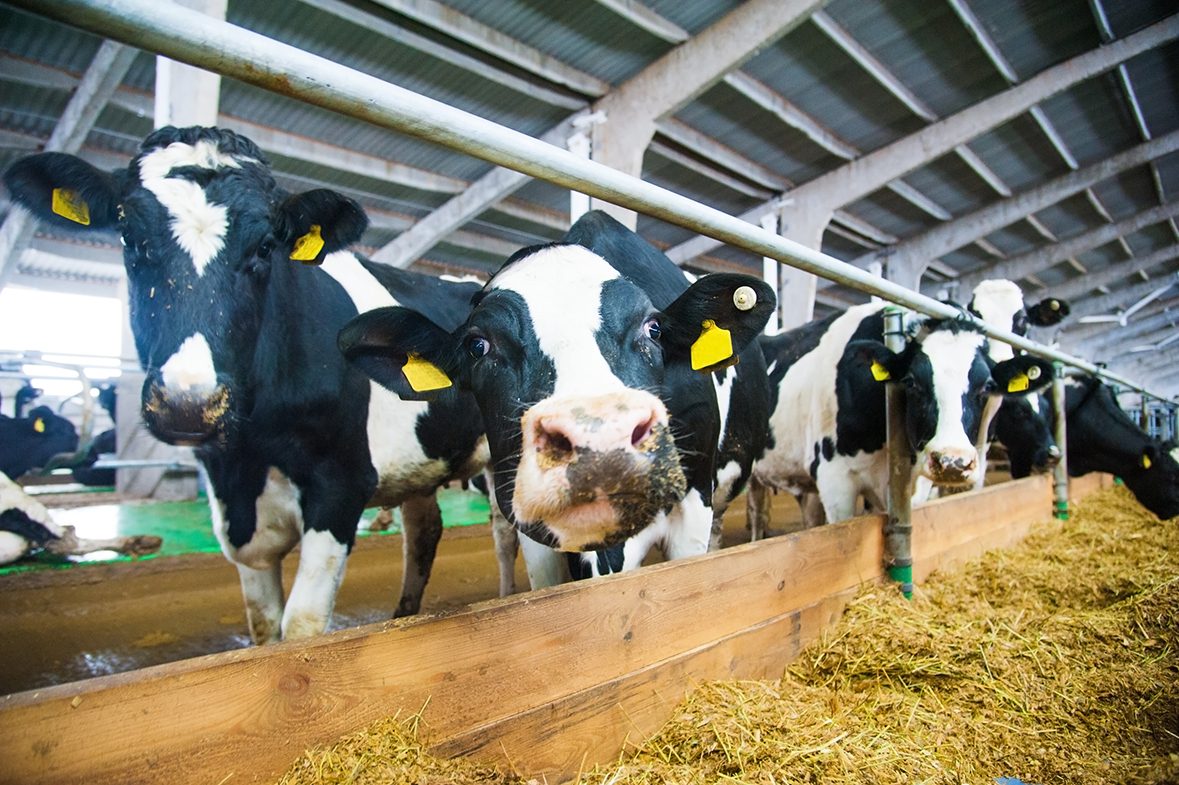
Deep well plates for pregnancy analysis at the Suisselab AG laboratory – identical batch to batch, so the lab robot grips them reliably.

Injection-moulded tins and lids for honey for Narimpex – to ISO 22000, supported by material selection and migration testing.
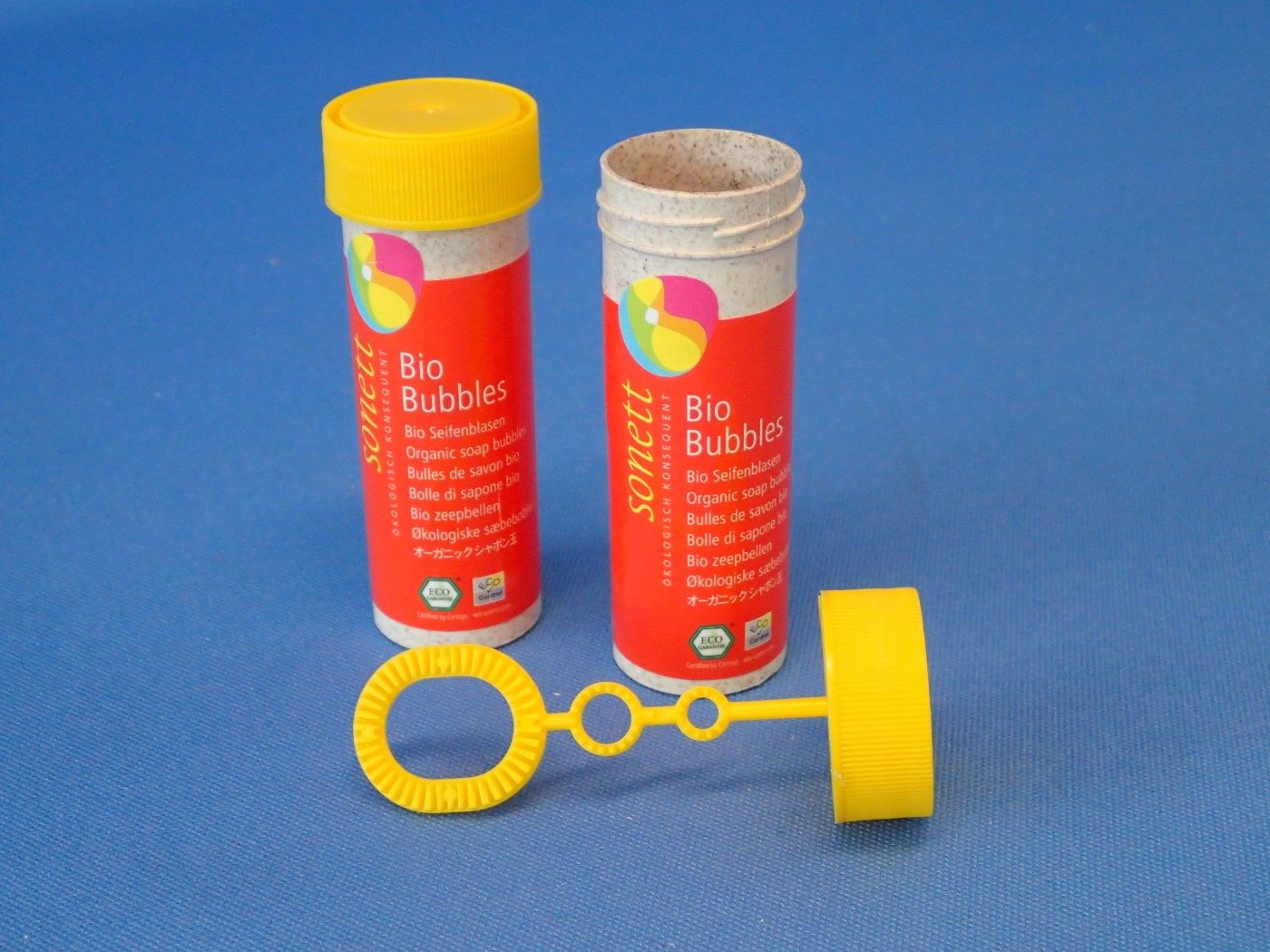
The packaging for Sonett's Bio-Bubbles in wood-plastic composite – less petrochemical plastic, produced by injection moulding.
Describe your application – we'll show what a solution can look like.
Discuss your projectInjection moulds from our own mould shop in Switzerland – mould design, Moldflow analysis, sampling as well as mould maintenance and storage. The parts that come out of the finished mould are produced next door in our own injection plant.
Plastic solutions for industry, mechanical engineering and trade: spill pallets, containers, cut-to-size semi-finished products and special constructions in PP, PE, PVC-U and other technical thermoplastics – custom manufacturing to drawing from batch size one, from Swiss production in Ostermundigen.
Send a drawing or sample, the desired material and the target quantity. We check feasibility and prepare a quote – personally from Switzerland.
The goal is a publishable base without wrong information – not completeness. Anything missing or that could go deeper: report it as "idea for later". We will keep expanding after go-live.
You go through your pages and report what is factually wrong. Expect three to five minutes per page.
Please report: Anything missing, outdated or wrong – and anything visibly broken.
Please don't report: Taste, wording polish, wishes. And that forms do not arrive: that is intentional.