Popular searches
On semadeni.com
Mentioned in the text
Products in the webshop
Service · Hollow bodies
Blow moulding of hollow plastic bodies – for bottles, jars, containers and special hollow bodies. Semadeni produces blow-moulded parts in PE-HD and PP in series, PET by stretch blow moulding.
What is blow moulding and which products does Semadeni make with it?
Blow moulding is a primary forming process in which a plastic preform or parison is inflated with compressed air inside a mould to form a seamless hollow body. The Königstein plant (Saxony) of the Semadeni Group uses two variants: extrusion blow moulding for PE-HD and PP, stretch blow moulding for PET.
Extrusion blow moulding:A heated plastic tube is inflated with compressed air inside the mould until a seamless hollow body is formed. Semadeni uses it to make bottles, jars, containers and customer-specific special hollow bodies in PE-HD and PP.
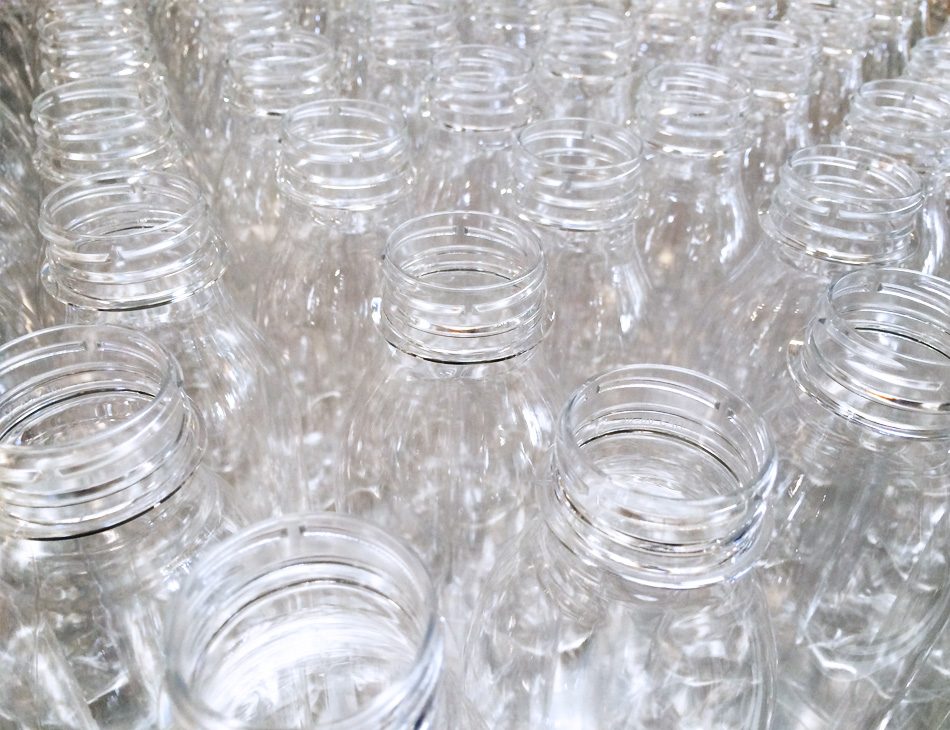
Stretch blow moulding:Semadeni processes PET by stretch blow moulding, single-stage or two-stage. The hollow bodies are blown from a preform at considerably higher pressure than in extrusion blow moulding. A stretch rod first stretches the heated preform lengthwise, then it is blown into the mould; the hollow body is thus stretched both lengthwise and crosswise. The bodies come natural or clear, or coloured with masterbatch. The process is designed for series production and economically delivers consistent wall thicknesses and volumes. Semadeni uses it to make PET bottles, for example for food, pharma and cleaning agents.
With UN approval:For the transport of dangerous goods, Semadeni makes PE-HD bottles and jars with UN type approval as standard products. They have passed a design-type test and are approved on a fill-good and design-type basis.
Which material, volume and wall thickness suit the fill good and the application is something Semadeni clarifies on a project basis.
Process
Bottles, jars and containers are formed in a single operation without a join seam – leak-tight and dimensionally stable across the entire volume.
The process is designed for consistent quantities and delivers reproducible wall thicknesses and fill volumes.
PE-HD for chemicals, for example, PP for higher temperature resistance, PET for transparency – all also suitable for food. We choose on a product and application basis.
Natural or clear, or coloured with masterbatch – plus embossing, directly in the blow-moulding process.
Labelling, assembly and fill preparation follow directly at Semadeni after blow moulding.
We make PE-HD bottles and jars with UN type approval as standard products – design-type tested and approved on a fill-good and design-type basis.
A framework for the initial clarification. Volume, wall thickness and material are matched to the fill good, quantity and requirements.
From parison to container
Define volume, wall thickness and material to suit the fill good and requirements.
Match the split blow mould to the geometry and target volume.
Extrude the parison, place it into the mould and inflate it.
Verify leak-tightness and dimensions, then labelling and assembly.
What is blow moulding suitable for?
In detail
PE-HD is the classic choice for chemical and cleaning containers as well as many food applications; it resists many aqueous media and acids. PP extends the operating window to higher temperatures. Both are extrusion blown; PET, by contrast, we process by stretch blow moulding. Which material is suitable depends on chemical resistance, temperature and any approvals – we define this on a product and application basis.
Labelling, assembly and fill preparation follow the blow-moulding process at Semadeni. You thus receive the packaging ready for use from a single source – including marking and, where needed, documented conformity. Volume, wall thickness and finish are matched before the series, with sampling as required.
From the assortment
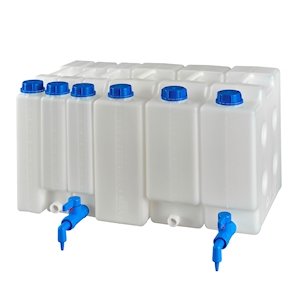
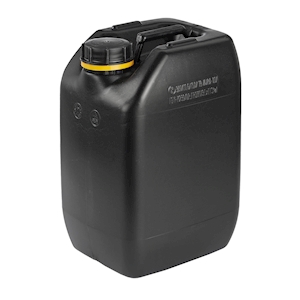
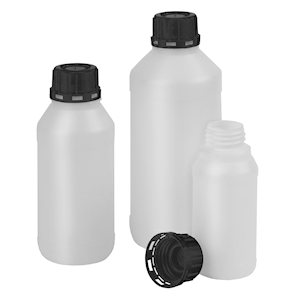
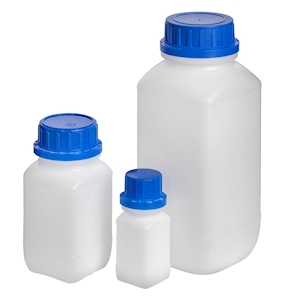
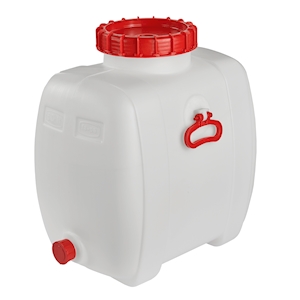
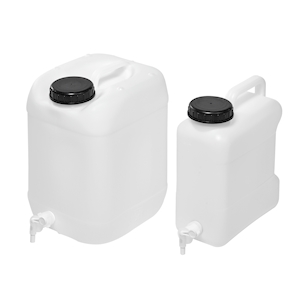
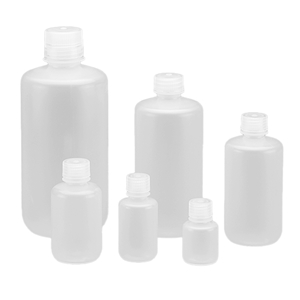
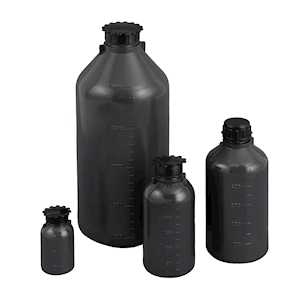
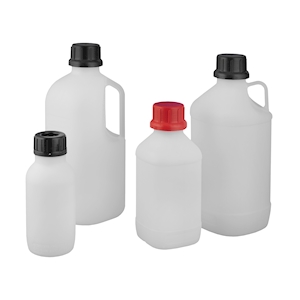
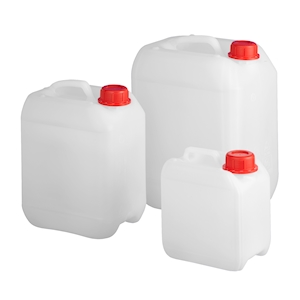
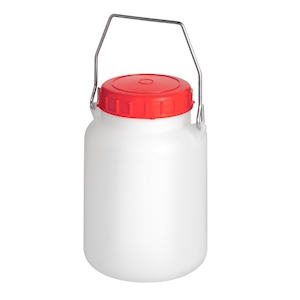
Blow moulding produces hollow bodies: bottles, jerrycans and containers in polyethylene (PE-HD), polypropylene (PP) and PET. Semadeni stocks a large share of these containers; only where shape, volume or closure system go beyond that do we blow-mould within the group to customer requirements.
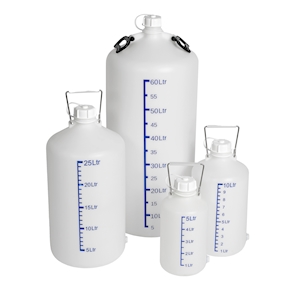
In injection moulding, plastic is injected into a closed mould – ideal for solid or thin-walled precision parts. In blow moulding, a parison is inflated inside a mould – this suits seamless hollow bodies such as bottles and jars.
PE-HD is common for chemical and food containers and PP for higher temperature resistance – both by extrusion blow moulding. PET is added for transparent bottles, but it is not extrusion blown: it is processed by stretch blow moulding, single-stage or two-stage. Which material suits your fill good depends on chemical resistance, temperature and any approvals, and is defined on a product basis.
We produce hollow bodies from 5 millilitres to 3000 millilitres. Larger volumes we do not make ourselves – for those we work with partners. The exact range depends on material, geometry and tooling; unusual volumes or shapes are clarified in advance on a project basis.
That depends on the material, the formulation and the use. Food conformity to EU 10/2011 is demonstrated on a product and batch basis, not assured across the board. We clarify the requirement together and document conformity for your specific container.
Yes. We make PE-HD bottles and jars with UN type approval as standard products. They have passed a design-type test; the approval applies to the fill good and design type, not to the material in general. Customer-specific packaging with its own UN approval is possible in principle, but involves considerable effort.
References
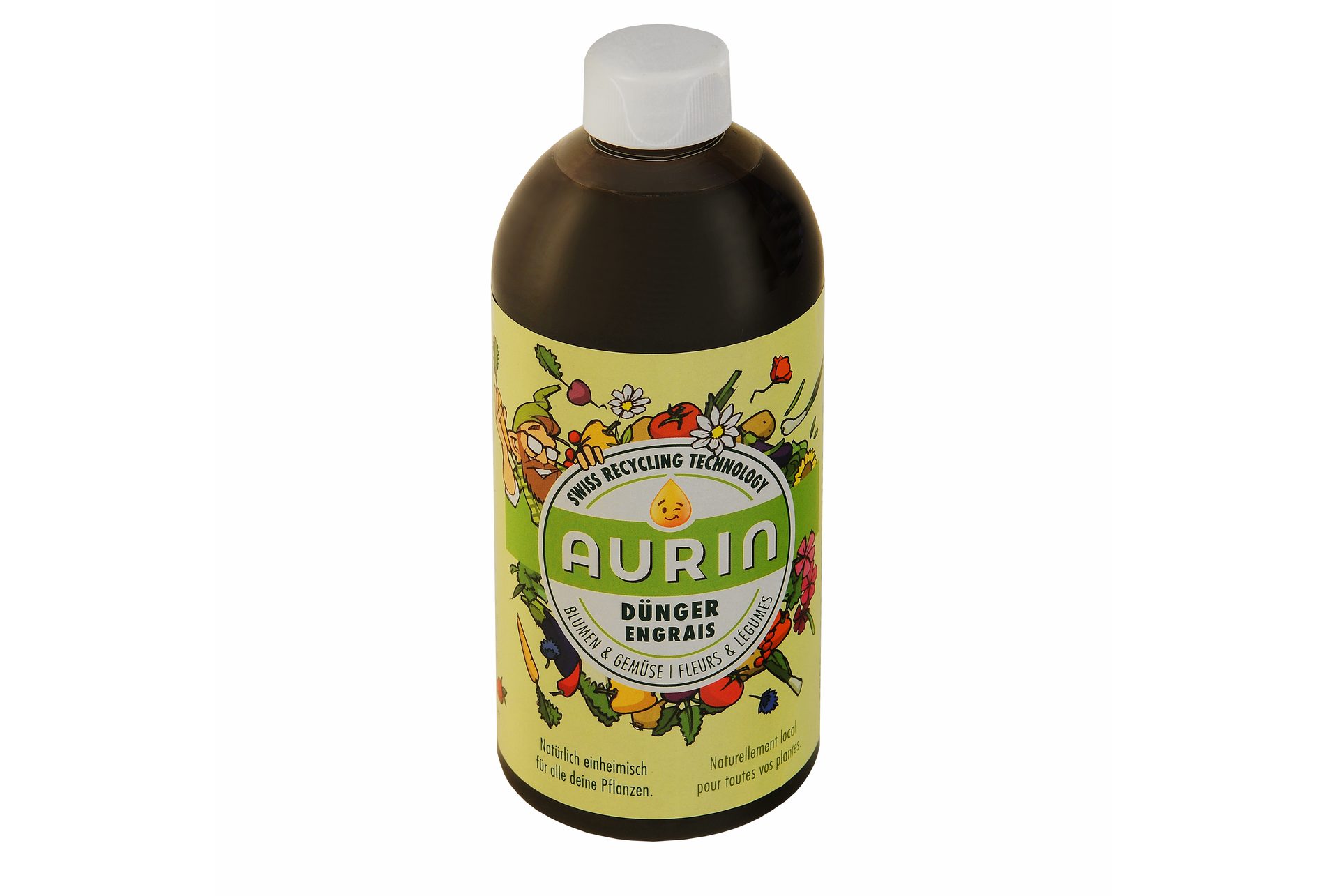
Vuna GmbH's AURIN fertiliser is filled into bottles made from 100 % recycled PET – a closed loop for the contents as well as the packaging.
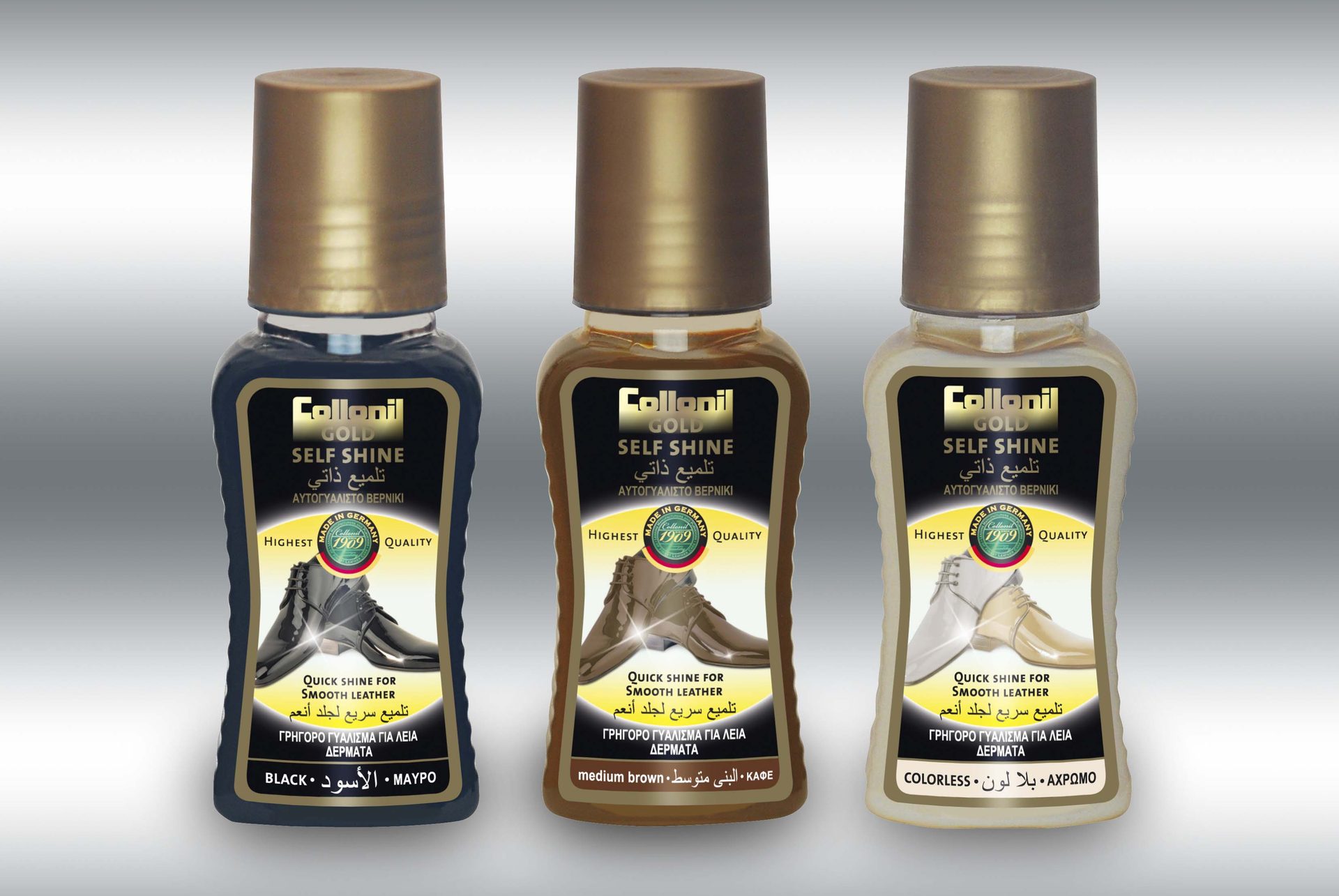
For the Collonil Gold series, Logo Plastic introduced the one-stage process for PET containers – more energy-efficient and more flexible in shaping.
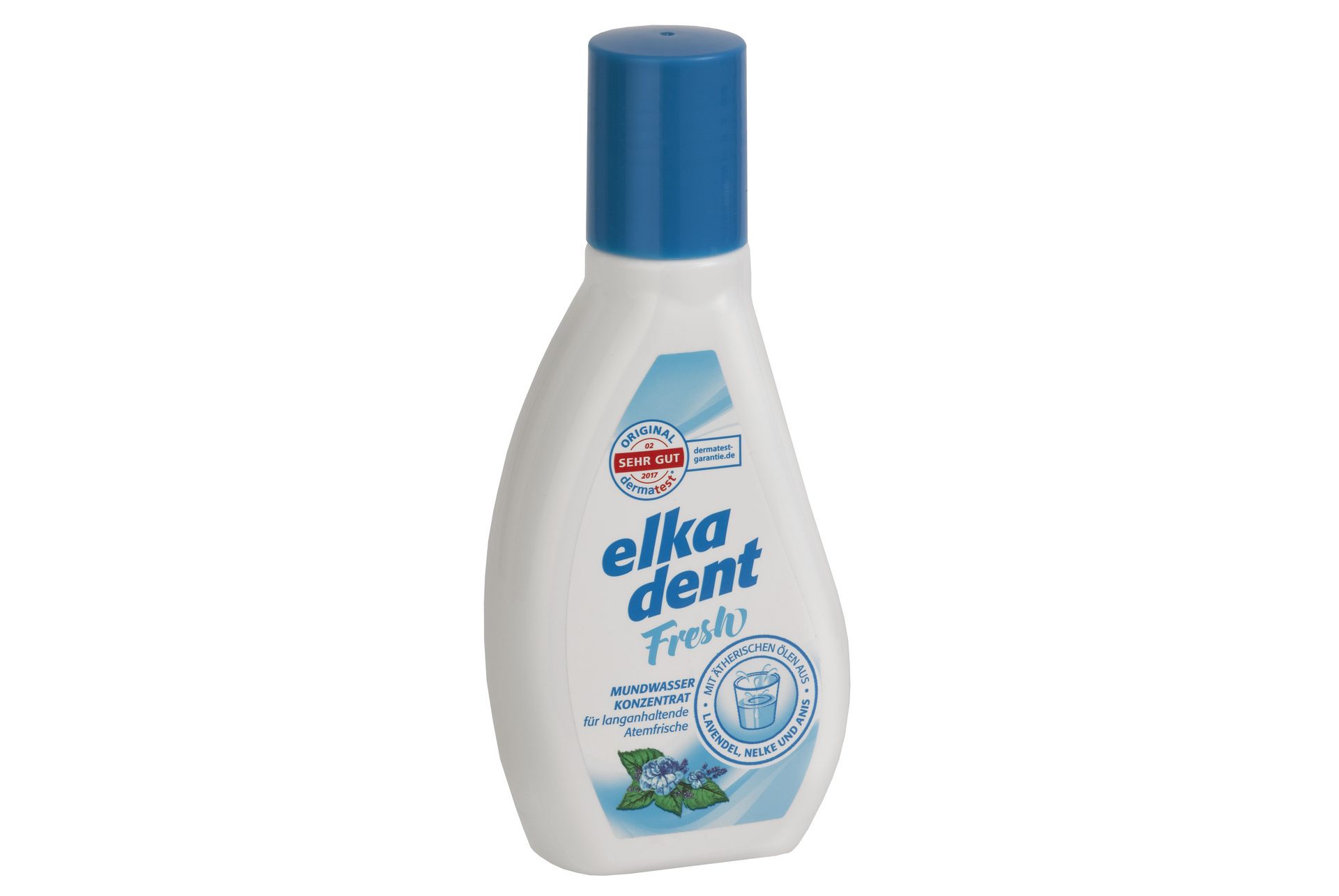
A curved PET bottle for elkadent mouthwash, produced in a one-stage injection stretch blow moulding process.
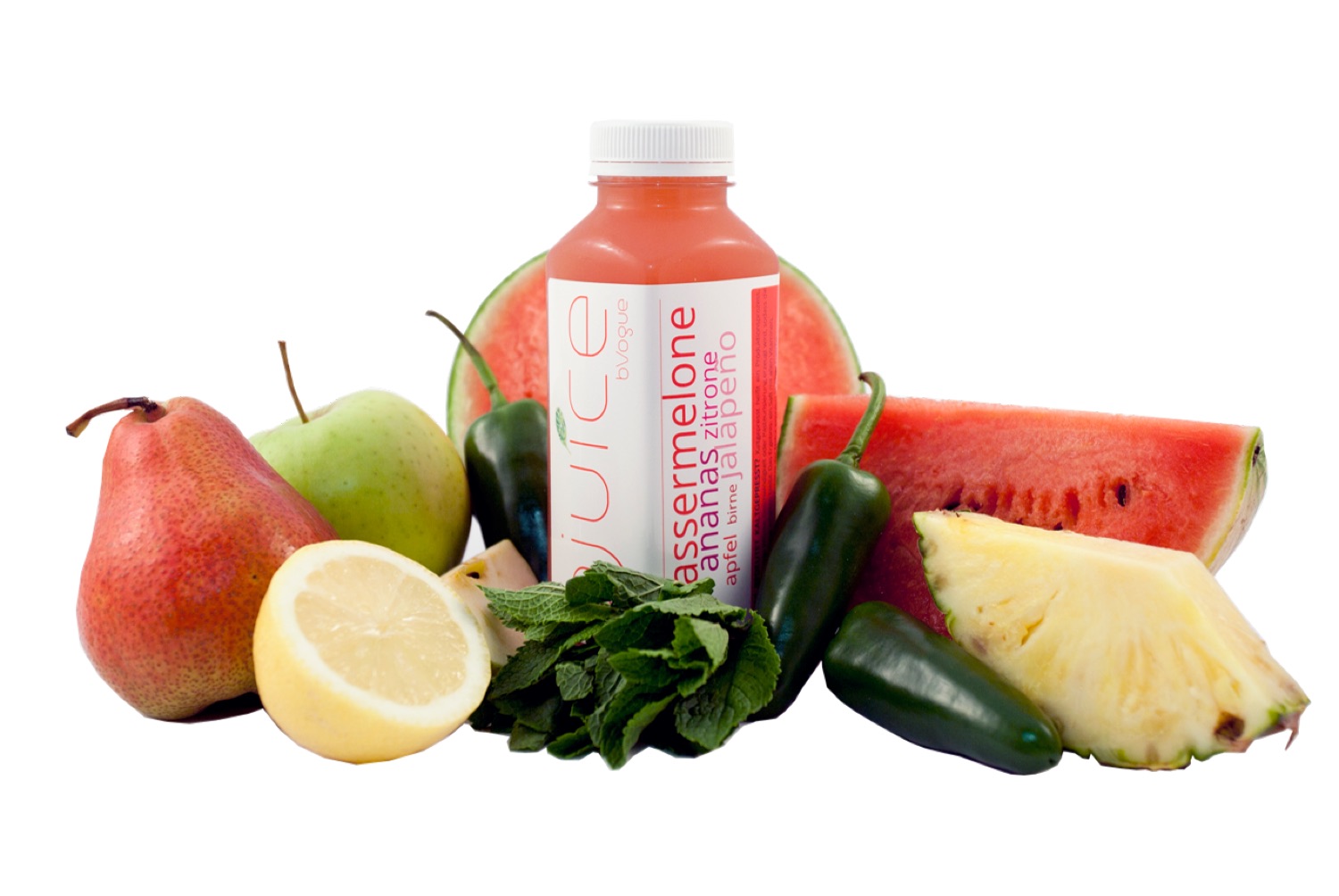
PET bottles with barrier properties for the cold-pressed juices of bJuice – made at the Königstein plant to ISO 22000, with an embossed logo.
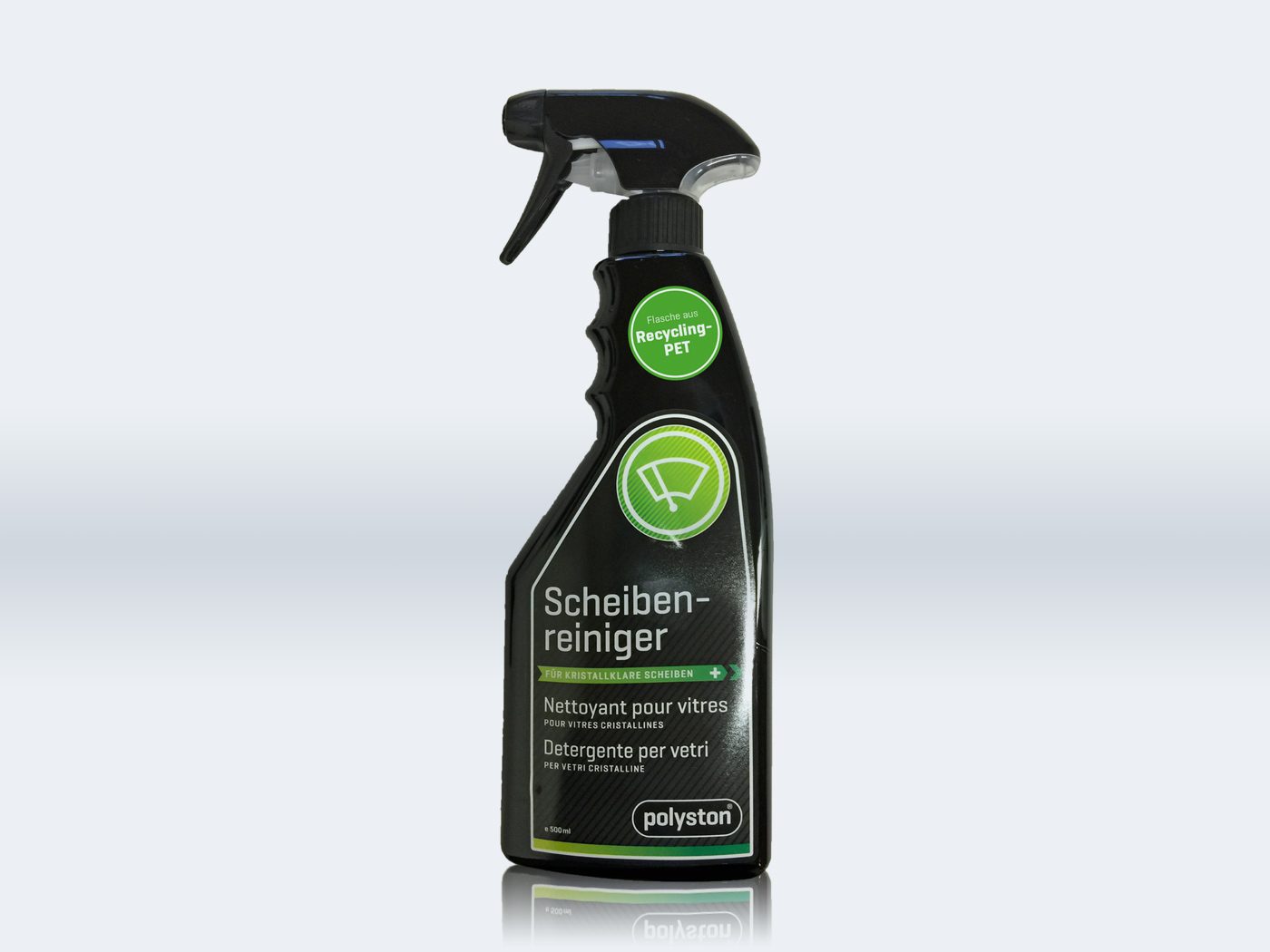
Trigger bottles in 100 % recycled PET for Fripoo Produkte AG's cleaning products – a bottle-to-bottle loop.
Describe your application – we'll show what a solution can look like.
Discuss your projectInjection-moulded parts in series from our own plant in Switzerland – clamping forces from 22 to 180 t, an ISO 7 cleanroom, technical and food-grade thermoplastics. As contract moulding on your tool, or on a tool from our own mould shop.
Plastic containers, stacking boxes, euro containers and reusable containers for warehouse, logistics and in-house transport: standardised storage containers, plastic pallets, picking boxes, UN-approved dangerous-goods packaging and industrial packaging – from stock and from Swiss production in Ostermundigen.
Tell us the fill good, target volume and quantity. We choose the right material and prepare a quotation – personally, with a dedicated contact.

The goal is a publishable base without wrong information – not completeness. Anything missing or that could go deeper: report it as "idea for later". We will keep expanding after go-live.
You go through your pages and report what is factually wrong. Expect three to five minutes per page.
Please report: Anything missing, outdated or wrong – and anything visibly broken.
Please don't report: Taste, wording polish, wishes. And that forms do not arrive: that is intentional.