Protective and disposable gloves
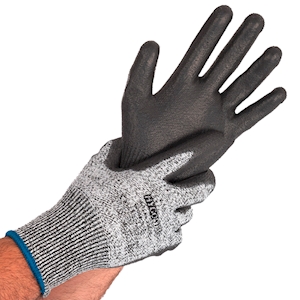
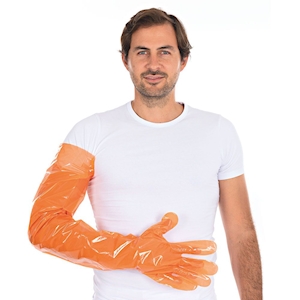
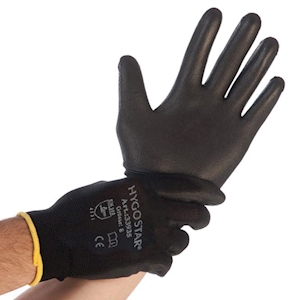
Disposable and chemical protection gloves in the material class matching the task – for sample handling, cleaning and chemical contact.
In the shopPopular searches
On semadeni.com
Mentioned in the text
Products in the webshop
Application
Personal protective equipment for the laboratory – safety glasses and face shields, disposable gloves, protective suits, overshoes and face masks: selected by hazard, standard and hygiene requirement.
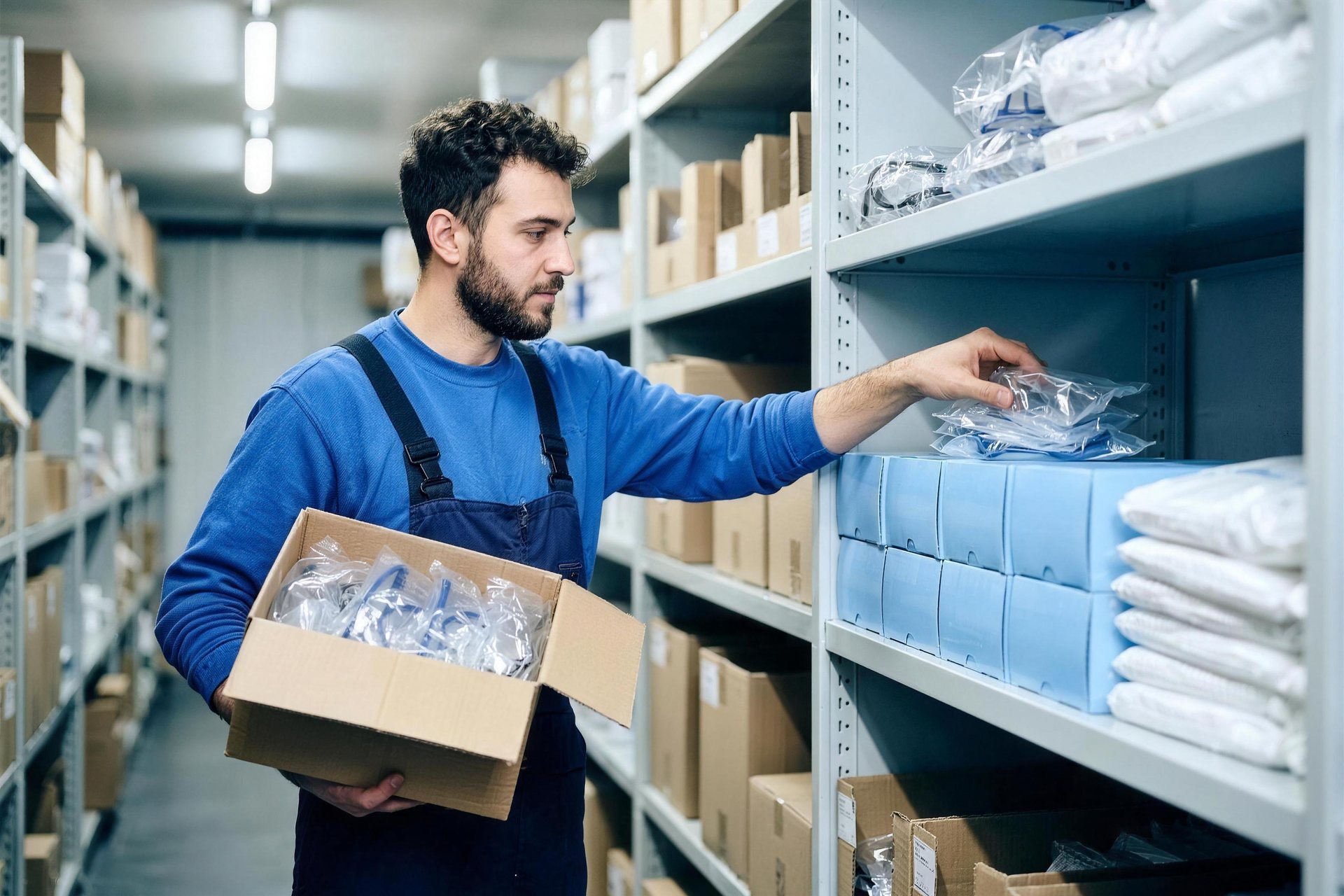
AI-generated
At a glance
Personal protection in the laboratory covers the personal protective equipment (PPE) that shields staff from chemical, biological and mechanical hazards. Plastics carry the largest part of this equipment: polycarbonate (PC) provides impact-resistant, clear safety glasses and face shields for eye protection to EN 166; disposable gloves in nitrile, latex, vinyl or PE protect the hands, with material choice following the chemical and the protection class (EN 374 for chemicals and micro-organisms, EN 455 for medical single-use gloves); protective suits and coveralls in PP non-woven and PE overshoes keep contamination off the body; face masks in PP non-woven to EN 14683 cover hygienic protection. Particle-filtering half masks (FFP to EN 149) against aerosols and dusts are not part of our range. Decisive for the selection are the risk assessment, the specific substance, the task and the required protection class. We check suitability and conformity by product and by application – PPE has no blanket protective effect.
Product worlds
Disposable and chemical protection gloves in the material class matching the task – for sample handling, cleaning and chemical contact.
In the shop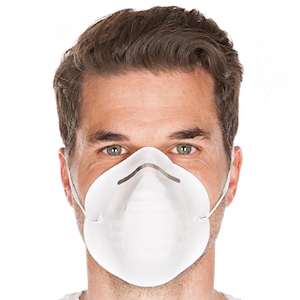
Face masks to EN 14683 in PP non-woven and dust masks against coarse dust – without particle-filtering FFP masks.
In the shop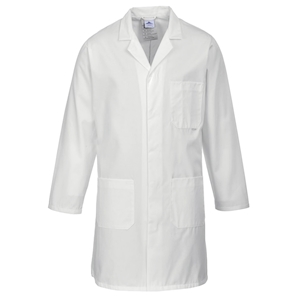
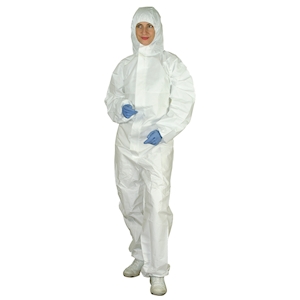
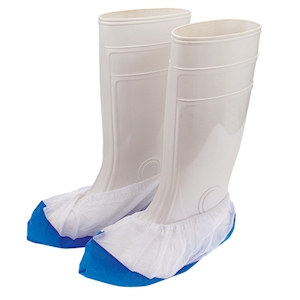
Laboratory and visitor coats, disposable coveralls in PP non-woven and PE overshoes against contamination and for hygienic areas.
In the shop
Disinfection, dispensers and cleaning articles for hospital, care home and practice – complementing personal protection in daily laboratory work.
In the shopSafety and warning signs as well as assembly of protection sets in Ostermundigen.
See the processWhy Semadeni for Personal protection in the laboratory
PC for impact-resistant eye protection, nitrile/latex/PE for gloves depending on the chemical, PP non-woven for protective suits – the choice follows the risk assessment, not a blanket principle.
Eye protection to EN 166, chemical protection gloves to EN 374, face masks to EN 14683 – we name the relevant standard by product and application.
Disposable gloves, masks, glasses and protective suits are standard articles readily procurable via the web shop – also for ongoing consumption.
For gloves, resistance to the specific chemical decides the material class; there is no blanket resistance – we help with the assignment.
Disposable articles reduce the contamination risk between workplaces and make sense where reprocessing is not permitted or not economical.
Over 8,000 articles from stock, complemented by special manufacture from our own Swiss production as well as marking and assembly of protection sets in Ostermundigen.
Evidence & compliance
Semadeni AG is certified to ISO 9001, ISO 14001, EN ISO 13485, ISO 22000 and ISO/TS 22002-4 and rated EcoVadis Gold (84/100). Data sheets and declarations of conformity are supplied on request, per product and application rather than as a blanket document.
For your supplier file
Typical set-up
A typical selection scenario: for a chemical-analytical workplace, polycarbonate safety glasses (eye protection to EN 166) and nitrile disposable gloves (chemical protection to EN 374) form the basic equipment. A face mask to EN 14683 adds hygienic protection, and a disposable PP non-woven coverall where there is a soiling risk. Where aerosols arise that the fume hood does not control, particle-filtering respiratory protection to EN 149 is required – we do not supply it. Which protection classes are needed in the specific case we derive from your risk assessment and the substances used.
In detail
Safe work in the laboratory begins with personal protective equipment. From eye protection through gloves and protective clothing to face masks, Semadeni supplies the protective articles that shield staff from chemical, biological and mechanical hazards – in PC (polycarbonate), PP non-woven, PE as well as nitrile- and latex-based glove materials. Which equipment is needed follows from the workplace risk assessment.
The choice follows the hazard: eye protection against splashes and particles, gloves matched to the chemical, protective clothing against contamination, face masks for hygienic protection.
| Protection area | Typical material | Standard (reference) | Typical application |
|---|---|---|---|
| Eye/face protection | Polycarbonate (PC) | EN 166 | Safety glasses, face shields |
| Hand protection | Nitrile, latex, vinyl, PE | EN 374 / EN 455 | Chemical and disposable gloves |
| Body/foot protection | PP non-woven, PE | EN 14605 / EN 13034 (type 6) | Protective suits, overshoes |
| Face masks | PP non-woven | EN 14683 | Hygienic protection; dust masks against coarse dust |
The standard references are orientation; the relevant protection class follows from the substance and task and is determined by application.
Which PPE is needed derives from the risk assessment – not from a blanket standard list. Decisive are the substances handled, the task and the existing technical protective measures.
Disposable articles reduce the risk of cross-contamination between workplaces and samples. Protective suits in PP non-woven, PE overshoes and disposable gloves separate person and sample where reprocessing is not permitted or not economical.
Depending on the protection area, different standards apply – the proof is provided by product and by application:
For special requirements – handling aggressive chemicals, sterile working areas or assembled protection sets – our specialists advise you and assign the protection classes to your specific risk assessment.
That depends on the specific chemical: nitrile covers a broad spectrum of solvents and acids, latex suits biological work, vinyl and PE short, low-load tasks. Decisive is resistance to the substance concerned per EN 374 – there is no blanket resistance, we help with the assignment.
Eye and face protection is tested and marked in Switzerland and the EU to EN 166. The standard governs, among other things, mechanical strength and protection against splashes and particles. Which protection level is needed follows from the task; polycarbonate glasses offer high impact resistance with clear vision.
Respiratory protection is required when aerosols, dusts or vapours arise that are not controlled by technical measures such as fume hoods. Particle-filtering half masks are classified per EN 149 into FFP1 to FFP3; the necessary class derives from the risk assessment. We do not supply such FFP masks: our range covers face masks to EN 14683 as hygienic protection and dust masks against coarse dust.
That depends on contamination risk, hygiene requirement and economy. Disposable articles such as gloves, masks and coveralls prevent cross-contamination and make sense where reprocessing is not permitted. Reusable articles such as safety glasses pay off in continuous use and can be cleaned and disinfected.
Yes – besides over 8,000 stock articles, we assemble customer-specific protection and hygiene sets, for example from gloves, mask, glasses and coverall. We supply the individual items from stock; marking and assembly we handle in Ostermundigen.
Laboratory consumables, sample vessels and custom parts in plastic for the laboratory, life science and pharma: tubes and racks, liquid handling, filtration, cell culture – chemical-resistant, sterilisable and over 8,000 articles from stock. Swiss development and production in Ostermundigen.
Occupational safety and personal protective equipment (PPE) in plastic for businesses, fire services and emergency services: protective gloves, safety goggles, eye wash stations and first-aid material, drip pans as well as machine covers from our own production – from stock and from Swiss supply.
Plastic vessels for sampling, sample storage and archiving in the lab – from samplers and sample vessels through tubes to cryo-capable containers, leak-tight, labellable and sterilisable.
Plastic articles for measuring, dosing, transferring and storing liquids in the lab – measuring and dosing aids, dropper and wash bottles, funnels and bottles in PP, PE-LD and PMMA, chemically resistant and easy to read.
Tell us the task, the substances handled and the required protection classes – we recommend glove material, eye protection and face masks, check suitability by application and, on request, assemble complete protection sets. Personal advice from Ostermundigen and Vienna.

The goal is a publishable base without wrong information – not completeness. Anything missing or that could go deeper: report it as "idea for later". We will keep expanding after go-live.
You go through your pages and report what is factually wrong. Expect three to five minutes per page.
Please report: Anything missing, outdated or wrong – and anything visibly broken.
Please don't report: Taste, wording polish, wishes. And that forms do not arrive: that is intentional.