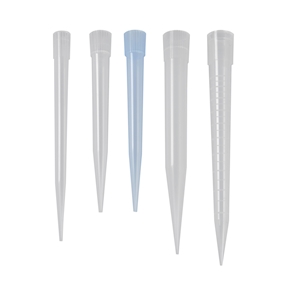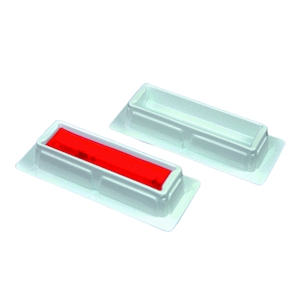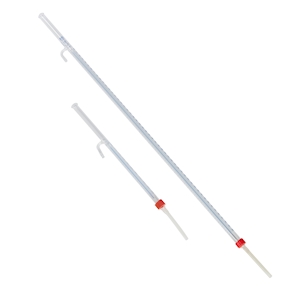
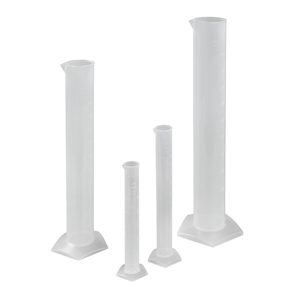
Measuring beakers, cylinders and volumetric flasks
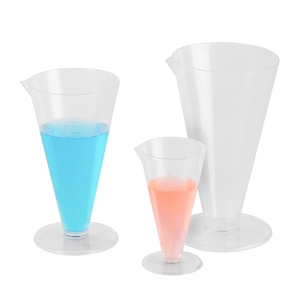
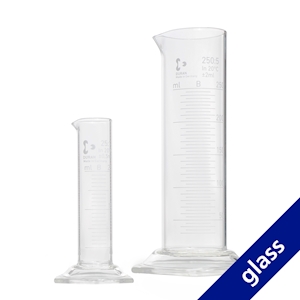
PP and PMMA measuring vessels with clear, durable graduation for reproducible measuring.
In the shopPopular searches
On semadeni.com
Mentioned in the text
Products in the webshop
Application
Plastic articles for measuring, dosing, transferring and storing liquids in the lab – measuring and dosing aids, dropper and wash bottles, funnels and bottles in PP, PE-LD and PMMA, chemically resistant and easy to read.
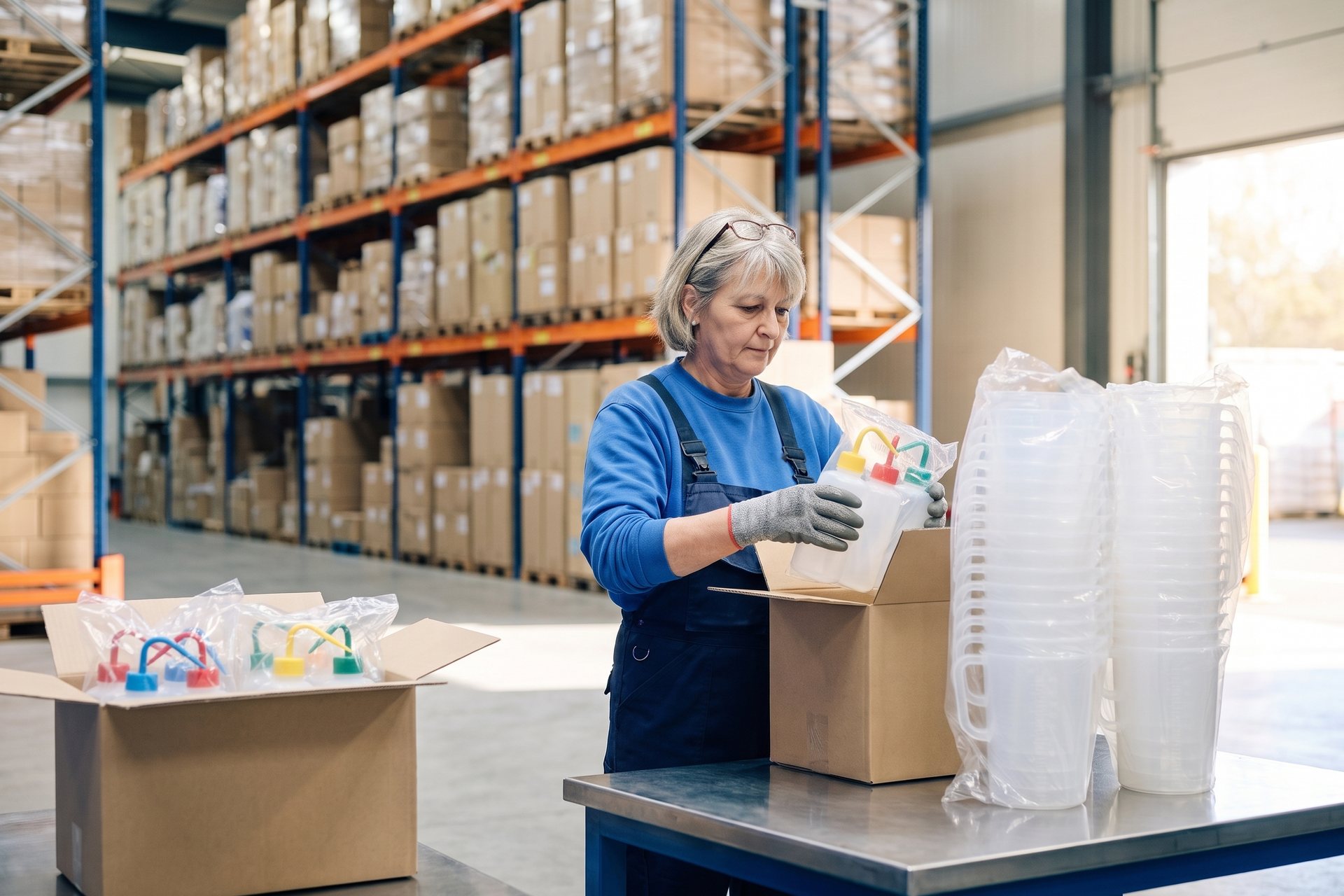
AI-generated
At a glance
Laboratory liquid handling covers the measuring, dosing, transferring, mixing and storage of liquid media using suitable plastic articles. The material defines the operating window: polypropylene (PP) is translucent, chemically resistant and mostly steam-sterilisable and suits measuring beakers, graduated cylinders and funnels; soft PE-LD stays squeezable and carries both dropper and wash bottles, with the reproducible drop coming from the dropper insert rather than from the material; transparent PMMA offers high optical clarity and dimensional stability for easy-to-read measuring vessels. Decisive for the choice are the medium and its concentration, the temperature, the required dosing accuracy as well as the graduation's resistance to abrasion and cleaning. We verify suitability and chemical resistance product- and application-specifically – there is no blanket resistance with any plastic.
Product worlds
PP and PMMA measuring vessels with clear, durable graduation for reproducible measuring.
In the shop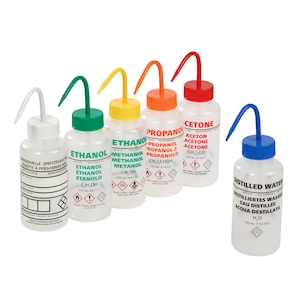
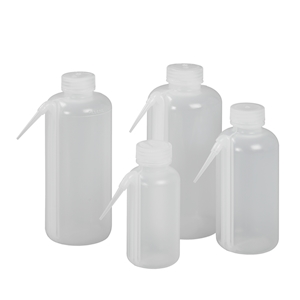
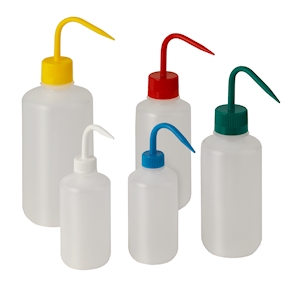
Dropper bottles with allround or vertical dropper for drop-accurate dosing; wash bottles with riser, spray or jet tube for rinsing and wetting.
In the shop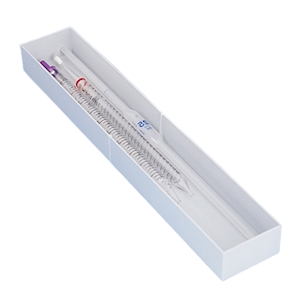
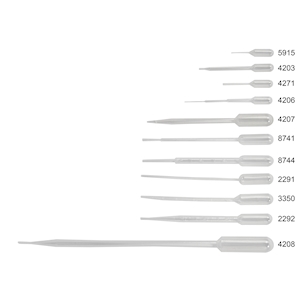
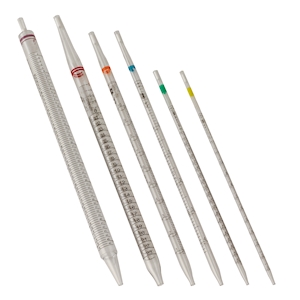
Single-use and reusable dosing aids for the accurate pick-up and delivery of small volumes.
In the shop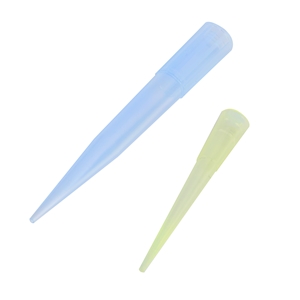
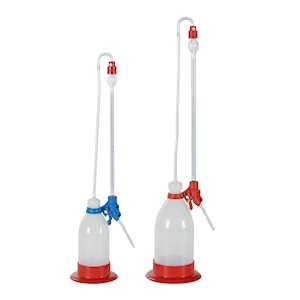
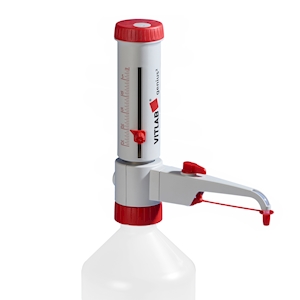
Dispensers screwed onto the stock bottle, for repeated delivery of identical volumes.
In the shop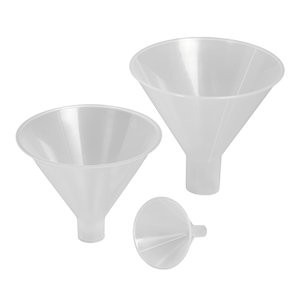
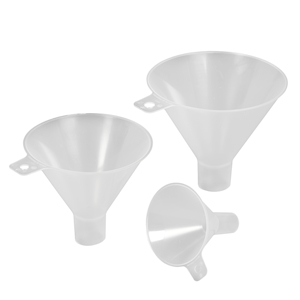
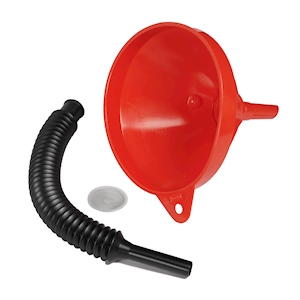
PP funnels and sieves for clean, splash-free transferring and easy filtration.
In the shopStorage and supply bottles in PP and PE-HD for buffers, reagents and solvents.
To the applicationWhy Semadeni for Laboratory liquid handling and dosing
PP for measuring vessels and aqueous media, soft PE-LD for squeeze bottles, PMMA for high readability – the choice is made by medium and concentration, never blanket.
Printed or engraved scales remain legible even after repeated cleaning and support reproducible measuring.
Dropper bottles with an allround or vertical dropper deliver liquids drop by drop – the first choice for indicators and reagents. Wash bottles are built for rinsing and wetting, not for counting drops.
PP and PE-LD withstand many aqueous solutions, alkalis and dilute acids; resistance is to be verified by medium, concentration and temperature.
Plastic measuring vessels are unbreakable and therefore safer in daily lab work – an advantage over glass at mobile and confined workstations.
Over 8,000 articles from stock, complemented by custom manufacturing from our own Swiss production and marking in Ostermundigen.
Evidence & compliance
Semadeni AG is certified to ISO 9001, ISO 14001, EN ISO 13485, ISO 22000 and ISO/TS 22002-4 and rated EcoVadis Gold (84/100). Data sheets and declarations of conformity are supplied on request, per product and application rather than as a blanket document.
For your supplier file
Typical set-up
A typical selection scenario: for reproducibly measuring buffer solutions the choice falls on PP measuring cylinders with clear graduation, because they are chemically resistant and autoclavable. For drop-accurate indicators, dropper bottles with an allround or vertical dropper complement the station, and for cleanly transferring aggressive cleaning solutions, PP funnels with a large spout. Which combination works in the individual case is clarified by medium, concentration and dosing accuracy.
In detail
Whether measuring, drop-accurate dosing or clean transferring – when handling liquid media, chemical resistance, an easy-to-read graduation and leak-proof closures are what count. Semadeni supplies the right plastic articles: measuring beakers, graduated cylinders, volumetric flasks, dropper, wash and dosing bottles, pipettes and dosing aids as well as funnels and sieves in PP (polypropylene), PE-LD and PMMA. The material that works follows from medium, concentration and temperature.
The material choice follows the task: PP for durable measuring vessels, soft PE-LD for squeeze bottles, PMMA for high readability. How accurately a bottle doses is decided by its fitting instead – the dropper insert makes the drop, not the material.
| Material | Indicative max. temp. | Transparency | Typical application |
|---|---|---|---|
| PP (polypropylene) | up to ~121 °C (autoclavable) | translucent | measuring beakers, cylinders, funnels |
| PE-LD | up to ~60 °C | semi-transparent | dropper, wash and dosing bottles, squeeze dosing |
| PMMA | up to ~70 °C | crystal-clear | easy-to-read measuring vessels, sight parts |
The temperature values are indicative reference points; the admissible continuous service temperature depends on the part, medium and load.
Reproducible measuring requires a durable, easy-to-read graduation. Printed scales are sufficient for normal lab routine; engraved scales remain legible even after repeated cleaning and sterilisation.
Clean transferring protects sample and workstation. PP funnels with a large spout and matching sieves enable splash-free transferring and easy filtration – unbreakable and chemically resistant within their respective operating window.
Chemical resistance is always to be assessed by medium, concentration and temperature – the proof is product- and application-specific:
For special requirements – for example high dosing accuracy, aggressive media or customer-specific graduation and marking – our specialists advise you and verify suitability against your concrete medium and temperature profile.
For measuring vessels, polypropylene (PP) and polymethyl methacrylate (PMMA) are common: PP is chemically resistant and mostly autoclavable, PMMA offers high optical clarity and good readability. Which material works depends on the medium and the required transparency.
Drop-accurate dosing calls for dropper bottles: an allround or vertical dropper delivers reproducible drops. Wash bottles deliver a directed jet through riser and jet tube and are meant for rinsing and wetting, not for counting drops. For very small, exact volumes, pipettes and dosing aids are used. The choice depends on volume and the required accuracy.
PP and PE-LD withstand many aqueous solutions, alkalis and dilute acids; PMMA is sensitive to some solvents. There is no blanket resistance with any plastic – it is to be verified by medium, concentration and temperature. Our standards page on chemical resistance helps with the pre-selection.
Printed scales are designed for normal lab use; engraved or embossed scales are particularly abrasion-resistant and remain legible even after repeated cleaning and sterilisation. For high demands we recommend engraved versions.
PP measuring and dosing vessels are generally steam-sterilisable up to 121 °C (standard per EN 285). PE-LD and PMMA are not suitable for steam sterilisation. The specific cycle resistance is to be verified product-specifically.
Laboratory consumables, sample vessels and custom parts in plastic for the laboratory, life science and pharma: tubes and racks, liquid handling, filtration, cell culture – chemical-resistant, sterilisable and over 8,000 articles from stock. Swiss development and production in Ostermundigen.
Plastic solutions for industry, mechanical engineering and trade: spill pallets, containers, cut-to-size semi-finished products and special constructions in PP, PE, PVC-U and other technical thermoplastics – custom manufacturing to drawing from batch size one, from Swiss production in Ostermundigen.
Plastic vessels for sampling, sample storage and archiving in the lab – from samplers and sample vessels through tubes to cryo-capable containers, leak-tight, labellable and sterilisable.
PP, PE-HD, PE-LD and PFA laboratory bottles, canisters and containers for chemicals, buffers and reagents – autoclavable, chemically resistant, UN type approval on request.
Tell us the medium, concentration, temperature and desired dosing accuracy – we recommend material, vessel shape and closure and verify chemical resistance as well as custom manufacturing. Personal advice from Ostermundigen and Vienna.

The goal is a publishable base without wrong information – not completeness. Anything missing or that could go deeper: report it as "idea for later". We will keep expanding after go-live.
You go through your pages and report what is factually wrong. Expect three to five minutes per page.
Please report: Anything missing, outdated or wrong – and anything visibly broken.
Please don't report: Taste, wording polish, wishes. And that forms do not arrive: that is intentional.