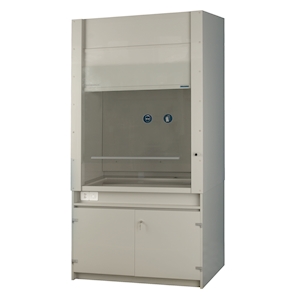
PP laboratory fume hoods
Self-supporting hoods and compact bench-top hoods – chemically resistant, with filter on request.
View in the shopPopular searches
On semadeni.com
Mentioned in the text
Products in the webshop
Process · Joining technology
Hot-gas plastic welding for leak-tight tanks, trays and special constructions. Semadeni welds PP, PE, PVC-U and PVDF – also for chemical plants and spill trays.
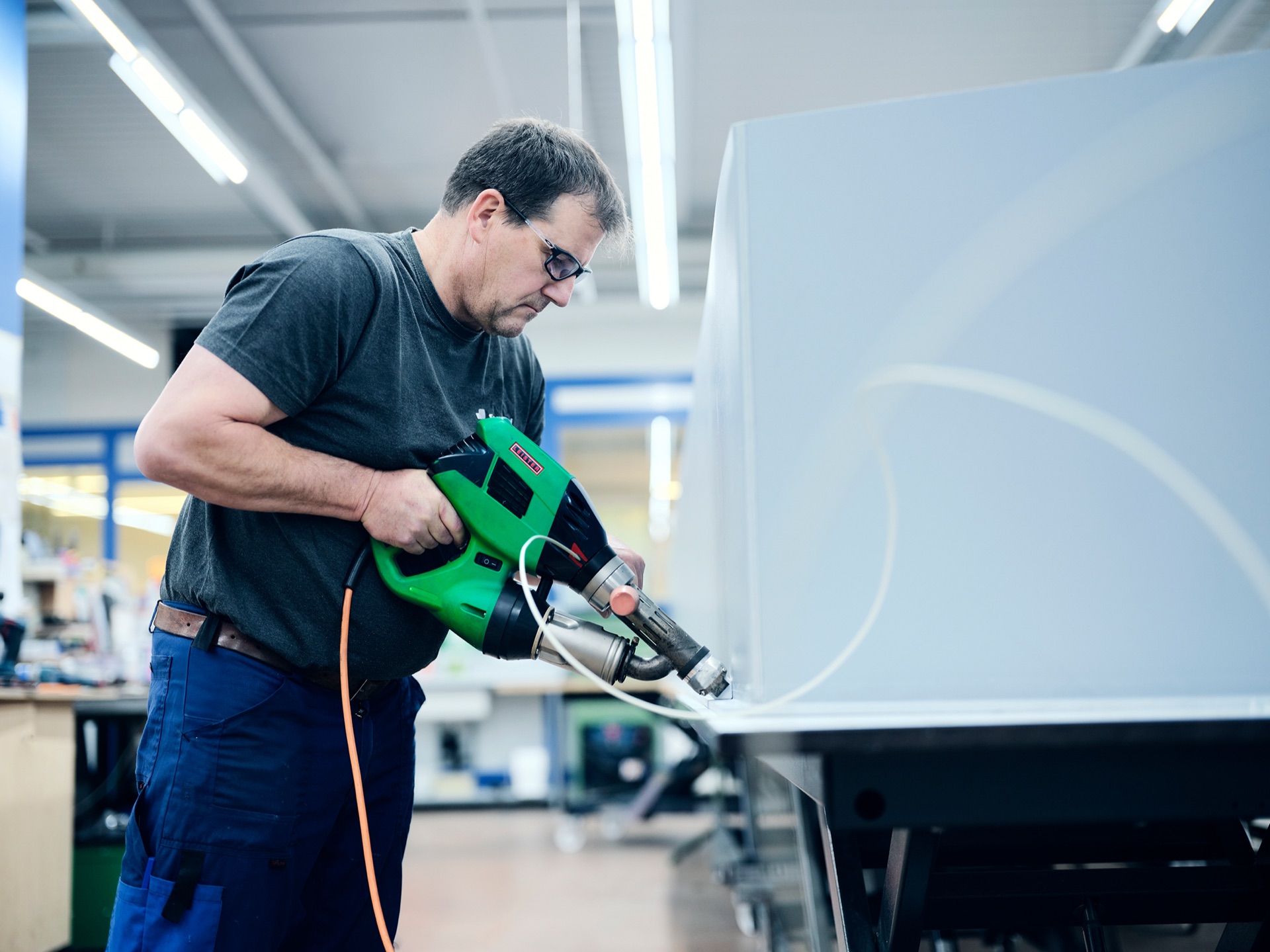
What is hot-gas welding and how does Semadeni use it?
Hot-gas welding is a joining process for thermoplastics: the joint faces and a filler rod are heated with hot air, plasticised and joined under pressure – similar to welding metal. It creates leak-tight, durable seams and suits tanks, trays and special constructions that bonding or mechanical joints cannot achieve. Semadeni welds PP, PE, PVC-U and PVDF – no other thermoplastics – and builds spill trays, chemical tanks and laboratory fume hoods from them. Which seam and material are suitable depends on the medium, temperature and pressure; the design is clarified per application. Not all plastics are weldable – PMMA, PC and PS, for instance, are bonded or mechanically joined. We test the tightness of every finished construction as standard, with water or a spark tester.
Process
Welded joints are material-bonded and tight – decisive for tanks, spill trays and special constructions with medium contact.
PP, PE, PVC-U and PVDF cover a broad spectrum of acids, alkalis and solvents – checked by material.
Welding is done in our own plastics machining shop – the same production that builds the series products in the shop.
Trays, tanks and vessels as special construction from your drawing or your dimensions.
Single fabrications and small batches as well as repairs to existing plastic constructions.
Every finished construction is tested with water or a spark tester – documented as needed.
A framework for pre-clarification. We define material, seam and wall thickness based on medium, temperature and pressure of the specific application.
From drawing to leak-tight construction
Design based on medium, temperature and pressure; choice of the resistant thermoplastic.
Cutting of sheets, edge preparation for the seam.
Hot-gas welding with filler rod; heated-tool welding for series parts.
Visual inspection and tightness test with water or a spark tester, documentation as needed.
What components & sectors is it for?
In detail
Where tanks, trays and special constructions must hold media safely, it comes down to the seam. Hot-gas welding joins thermoplastics material-bonded and tight – a property that bonded or bolted joints do not reliably achieve with medium contact. Semadeni builds special constructions for chemistry, laboratory and industry from it.
At Semadeni the weldable materials are PP, PE, PVC-U and PVDF; we do not weld other thermoplastics. PMMA, PC and PS cannot be reliably hot-gas welded – they are bonded or mechanically joined. Resistance to a specific medium depends on material, concentration and temperature; we choose the material per application.
How leak-tight a plastic seam is shows on the finished construction. Every seam is visually inspected; in addition we test every construction for tightness with water or a spark tester and document the result for your acceptance. The design – material, seam type and wall thickness – is defined beforehand from medium, temperature and pressure.
Made in-house
These series products are made in our own plastic-welding shop in Ostermundigen and can be ordered directly from stock – the same fabrication that also builds your special construction.
Self-supporting hoods and compact bench-top hoods – chemically resistant, with filter on request.
View in the shop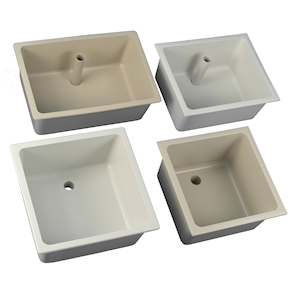
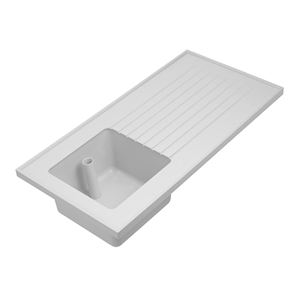
Welded PP top for the laboratory sink – base unit made to measure on request.
View in the shopFrom the assortment
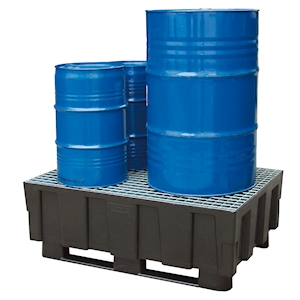
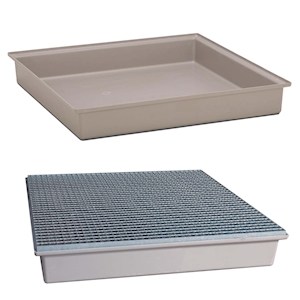
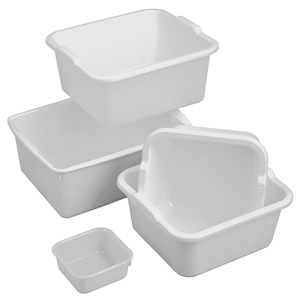
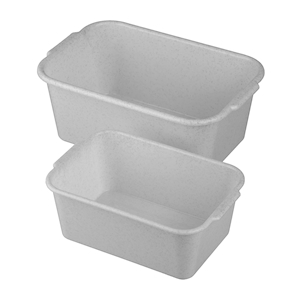
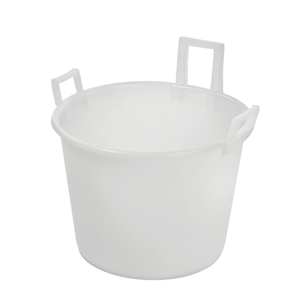
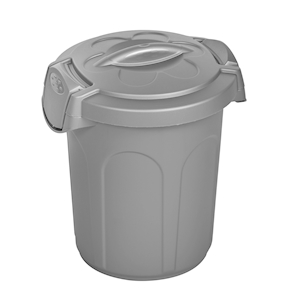
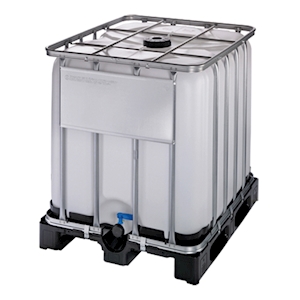
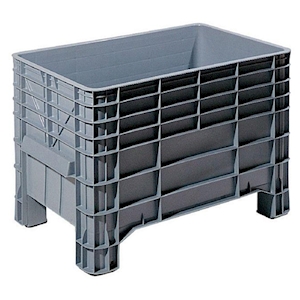
Not every task needs a welded one-off. For containment, storage and transport, Semadeni stocks containers, tubs and large receptacles in polypropylene (PP) and polyethylene (PE); only where size, geometry or volume go beyond that do we weld to size in Ostermundigen.
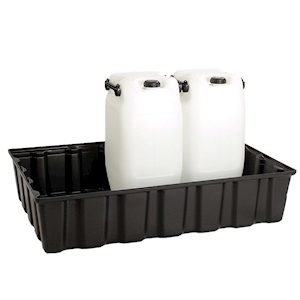
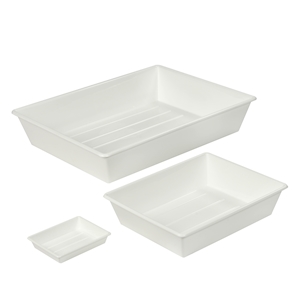
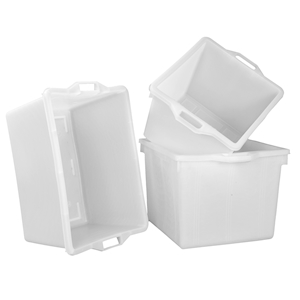
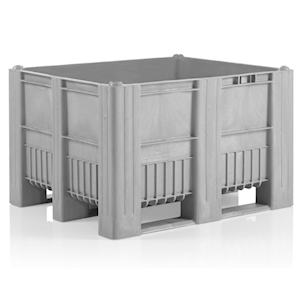
Weldable are PP, PE, PVC-U and PVDF – we do not weld other thermoplastics. Not weldable are PMMA, PC and PS – these we join by bonding or mechanical fastening. Which material suits your medium and temperature is clarified per application.
In hot-gas welding (manual), joint faces and filler rod are plasticised with hot air – flexible for tanks and special construction. In heated-element welding, a heated tool melts the joint faces directly, which are then pressed together – for higher seam strength in series.
On the component, not through a standard number: every seam is visually inspected, and every construction is additionally tested for tightness with water or a spark tester – we document the result for your acceptance. Suitability for a specific medium we additionally check by material and application.
Resistance depends on the material, the medium, concentration and temperature – not on the welding alone. PVC-U and PVDF cover many acids and alkalis, PP is broadly chemically resistant. We choose the material based on your medium and check resistance by product and application.
Yes, and as standard on every finished construction – with water or a spark tester, depending on the component. We document the result to your requirement, for example for the acceptance of spill trays or tanks.
References

A bio pool with a black plastic basin and overflow channel, its water surface mirroring the sky.

A made-to-measure swimming pond, integrated into a Jurassic limestone wall and framed on three sides with thermo-ash decking.

Two made-to-measure water basins across two levels – the garden took third place at the Taspo Awards.
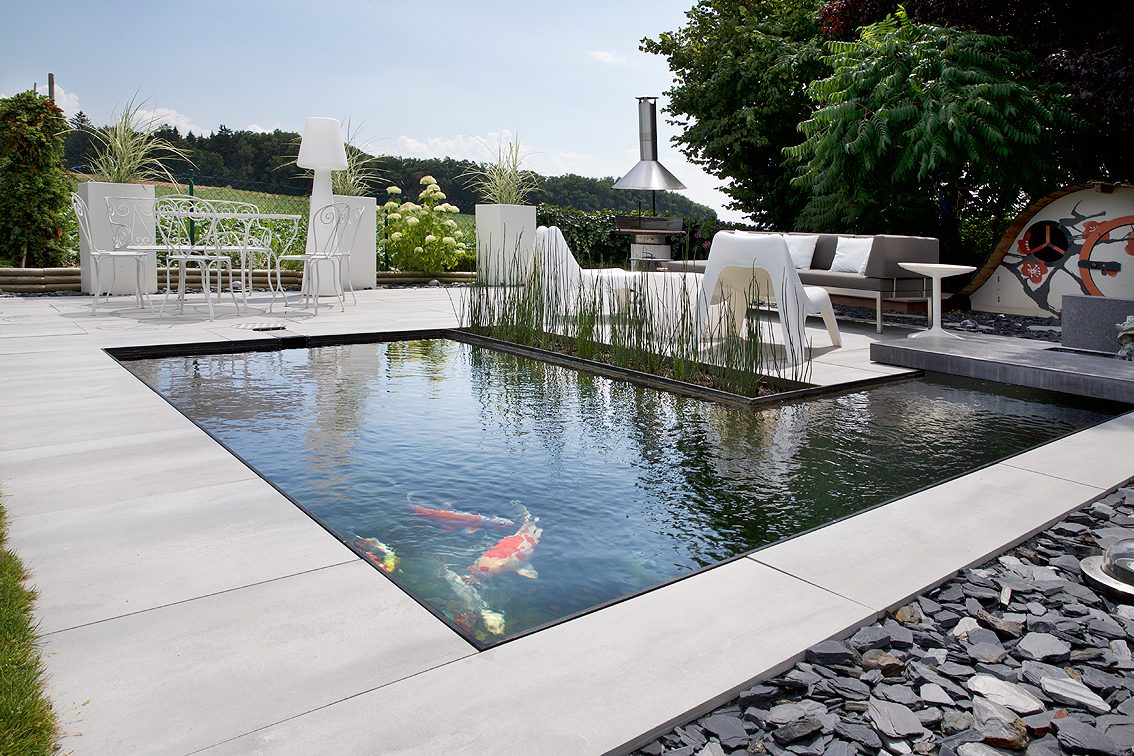
An L-shaped natural pool for breeding koi carp – the centrepiece of a garden in western Switzerland since 2018.
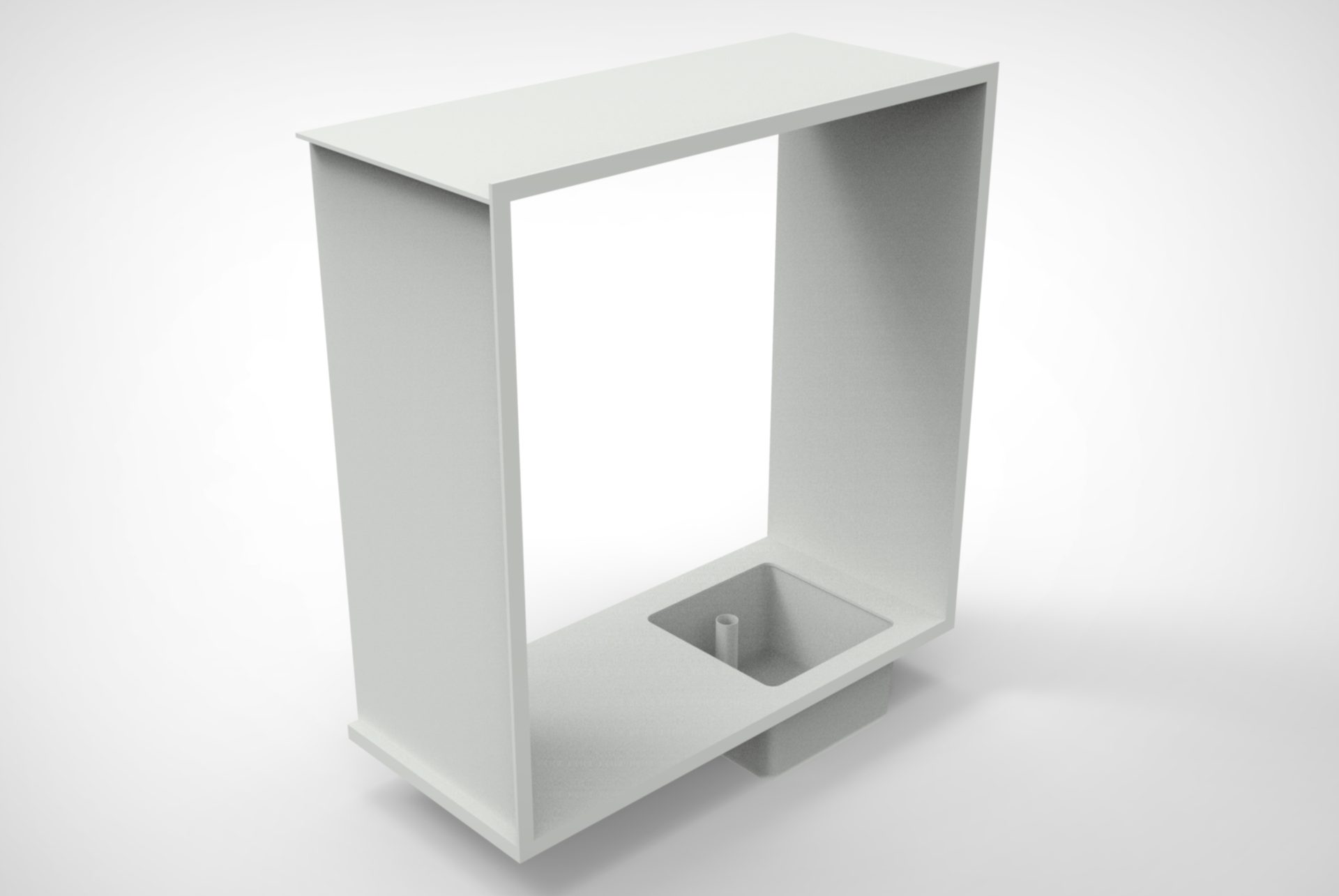
Almost 50 recessed washbasin units in plastic, made to precise measure for the cantonal school in Menzingen.
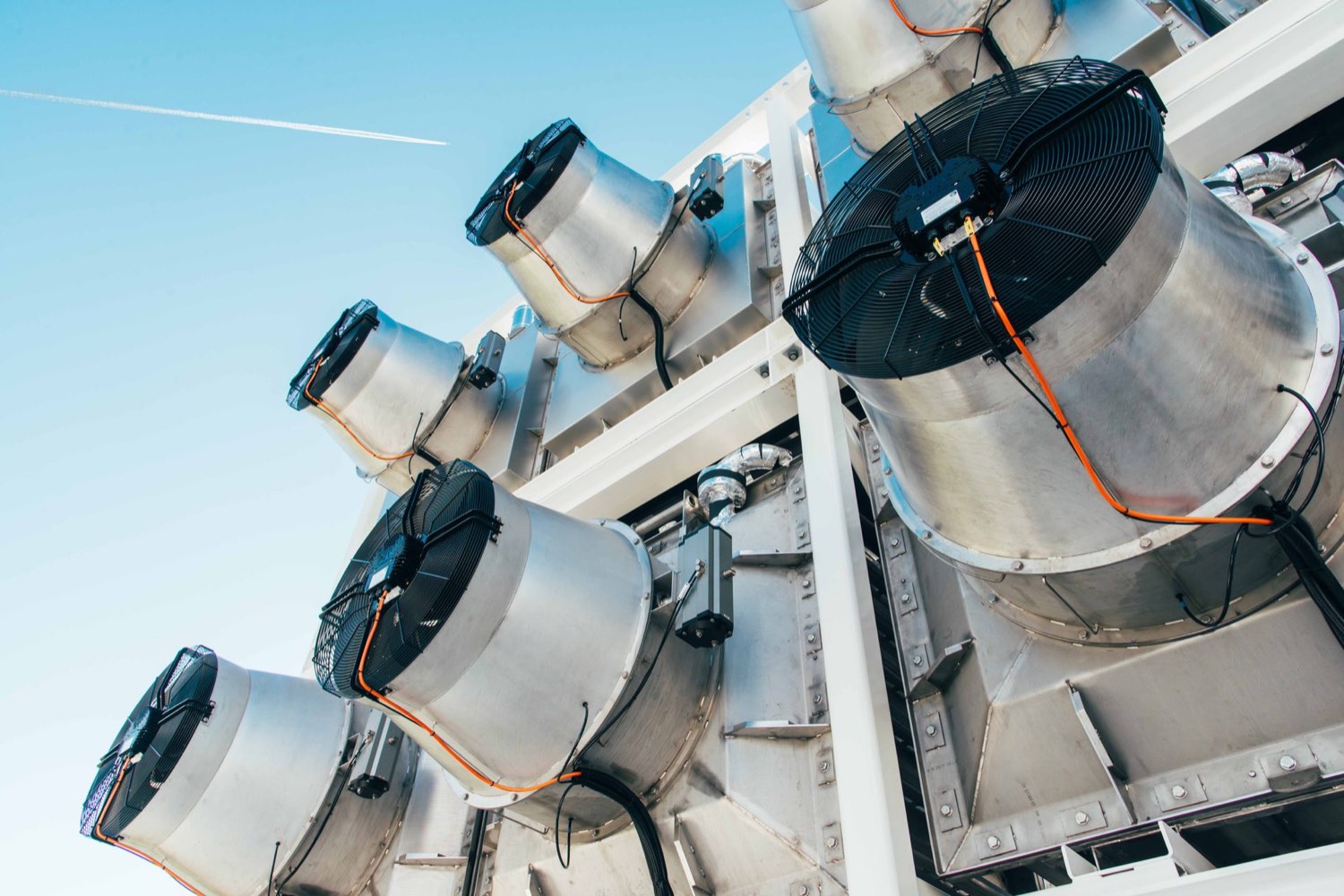
Self-supporting laboratory fume hoods in plastic for Climeworks – chemical-resistant and cut precisely to the space.
Describe your application – we'll show what a solution can look like.
Discuss your projectPrecision plastic cutting to size and CNC machining – for single parts, small batches and standard formats. Semadeni machines acrylic, PP, PE, PVC, PC and all common thermoplastics from batch size one.
How resistant is a plastic to a chemical? Semadeni's resistance list rates 26 plastics against individual substances at 20, 40 and 60 °C. This guide explains the classes a, b and c, shows values for common media and says where the list reaches its limits.
Plastic solutions for industry, mechanical engineering and trade: spill pallets, containers, cut-to-size semi-finished products and special constructions in PP, PE, PVC-U and other technical thermoplastics – custom manufacturing to drawing from batch size one, from Swiss production in Ostermundigen.
Send a drawing or your dimensions with medium, temperature and requirements. We choose the resistant material, weld the construction and test the tightness – personally from Switzerland.

The goal is a publishable base without wrong information – not completeness. Anything missing or that could go deeper: report it as "idea for later". We will keep expanding after go-live.
You go through your pages and report what is factually wrong. Expect three to five minutes per page.
Please report: Anything missing, outdated or wrong – and anything visibly broken.
Please don't report: Taste, wording polish, wishes. And that forms do not arrive: that is intentional.