Popular searches
On semadeni.com
Mentioned in the text
Products in the webshop
Capability · Forming
Thermoforming, thermal bending and laminating (acrylic pressing) of plastic sheets to size. Semadeni forms acrylic glass, PP, PVC and other thermoplastics from template, tool or CAD data – from single part to small series.
What does Semadeni offer in thermoforming and bending of plastics?
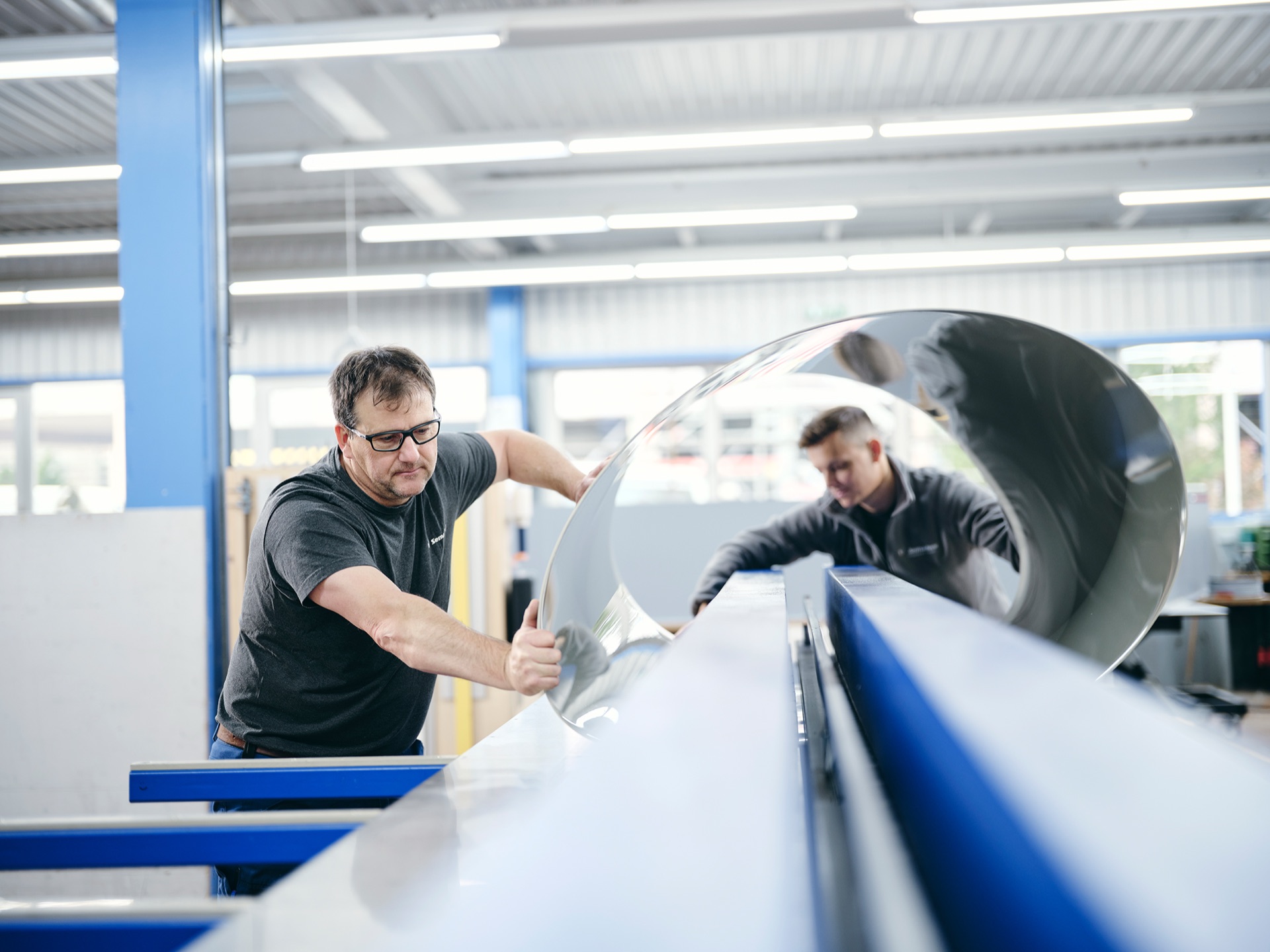
Bending and thermoforming are forming processes in which a thermoplastic sheet is heated in a targeted way and shaped while soft. In bending, the sheet is folded along a line or curve – for example for covers, angles or profiles. In forming, it is shaped over a template or tool. Semadeni forms PMMA, PP, PVC and PC from template, tool or CAD data. Because the processes manage without an expensive injection mould, they are worthwhile from batch size one and for small series. Which temperature, tool shape and material thickness lead to the result is defined material- and geometry-specifically.
Process
Without an injection mould, we already produce single parts and small series – ideal for prototypes, special shapes and high-variant orders.
The forming tool or bending fixture is matched to your geometry – based on your drawing, template or CAD data.
With correct preheating and bending temperature, PMMA stays transparent and low-stress – important for visible display and cover parts.
We process sheets up to around 2500 × 1250 mm, thus also covering large-area covers and cladding.
Cutting, bending, forming and subsequent CNC or bonding work come together from one source.
Templates and tools ensure that repeat series also come out true to size and angle.
Framework for pre-clarification. Bending temperature, tool shape and radius are matched to material, sheet thickness and geometry.
From template to formed part
We check geometry, material and radius for formability.
Bending fixture or forming tool is matched to your geometry.
Preheat the sheet in a targeted way, bend or form over a template, cool in a controlled manner.
Trimming, deburring and, on request, bonding, drilling or confection.
What are thermoforming and bending used for?
In detail
Thermoplastics deform when heated and retain their geometry after cooling. This is exactly what bending and thermoforming exploit: a sheet is brought to forming temperature in a targeted way and shaped over a template or tool. Because no expensive injection mould is needed, the processes are especially suitable for single parts, prototypes and small series – from the cover to the folded housing part.
In bending, the sheet is heated along a defined line and folded. This creates profiles, angles and housing edges with a clean radius. Templates and bending fixtures ensure that repeat series also come out true to angle and size.
Not every plastic behaves the same way during forming. PMMA requires even preheating to stay transparent and low-stress; PP and PVC each have their own forming window. Which bending temperature, radius and tool shape lead to the goal are matched before manufacturing to material, sheet thickness and geometry, with sampling if needed.
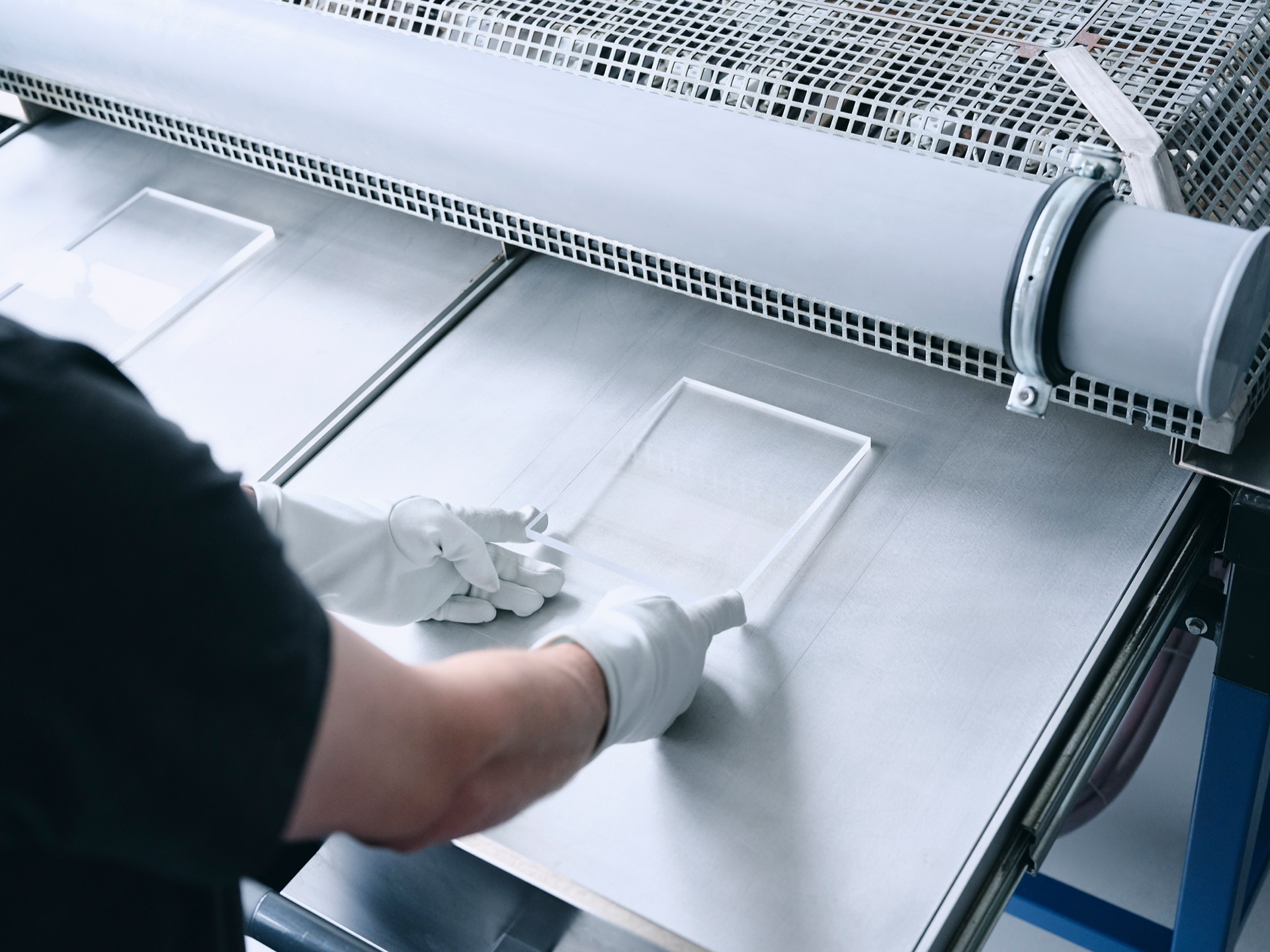
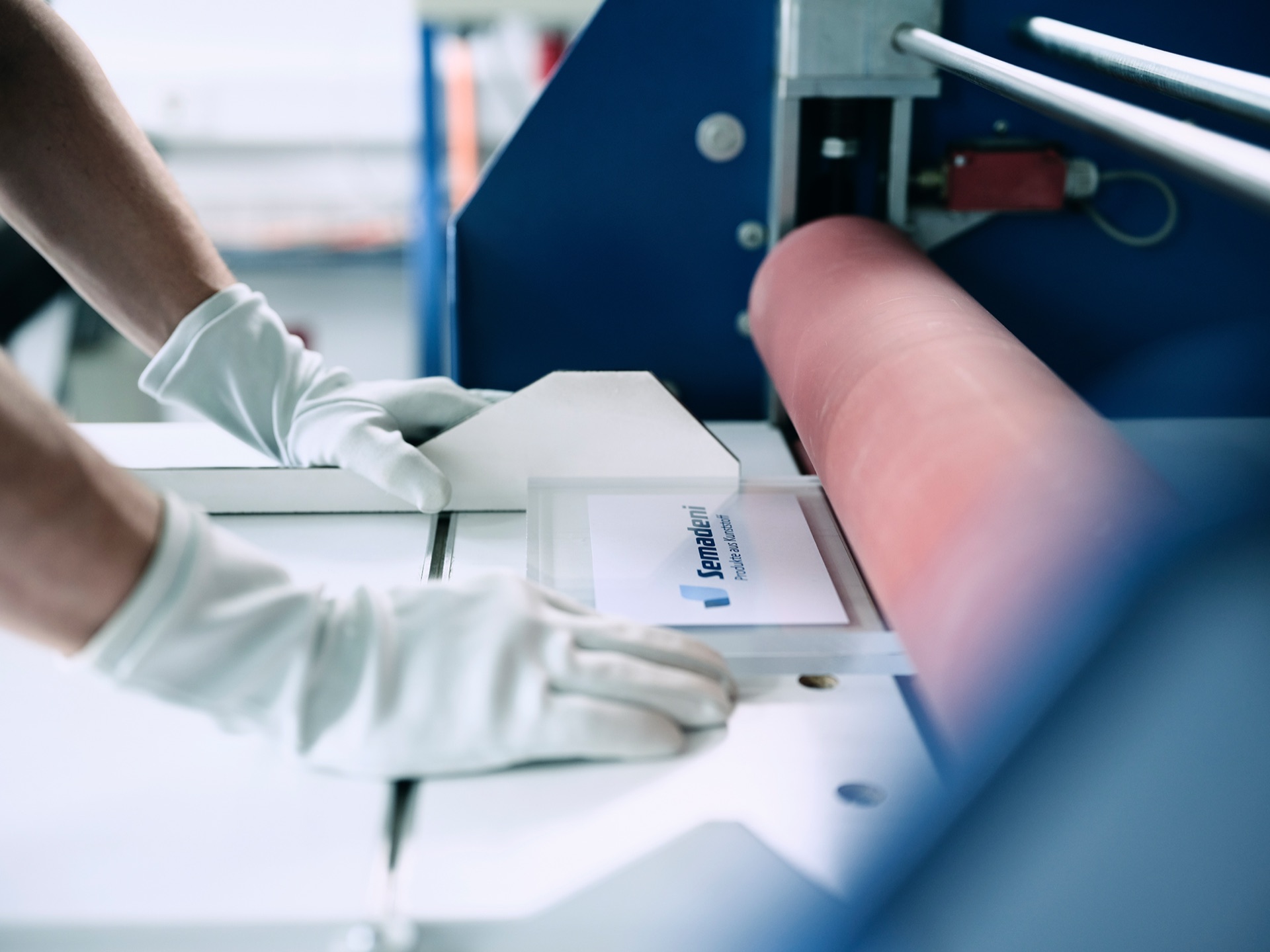
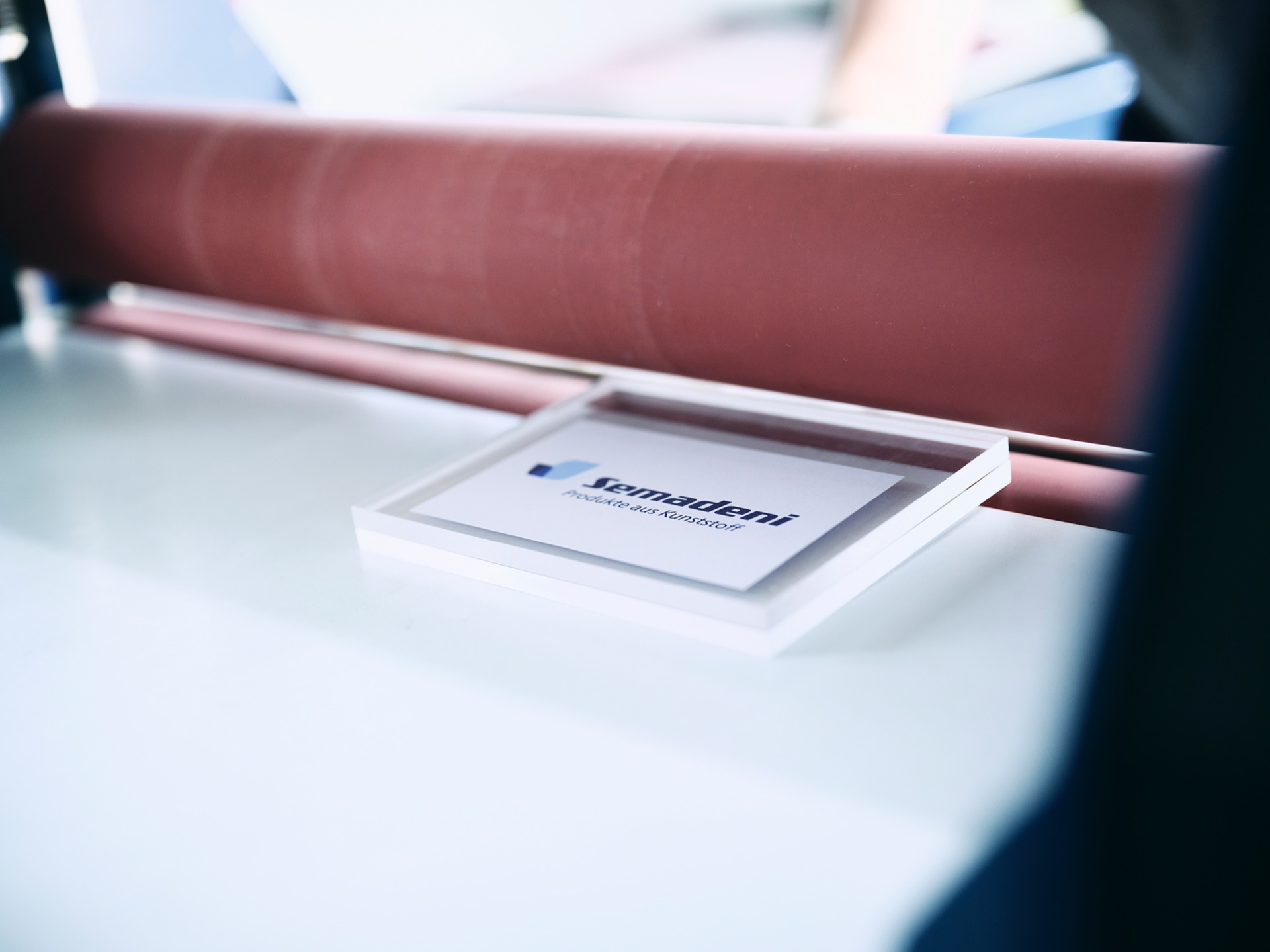
Laminating presses acrylic sheets into a clear composite in a roller press. Logos, lettering or flat objects placed between the sheets remain permanently enclosed in the transparent material. Preparation, frame and pressing sequence depend on the insert, format and sheet thickness. Typical results are awards and trophies, presentation pieces and decorative elements – combined on request with cutting, CNC machining or engraving from the same site.
Laminating step by step
From the assortment
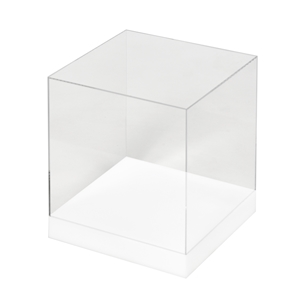
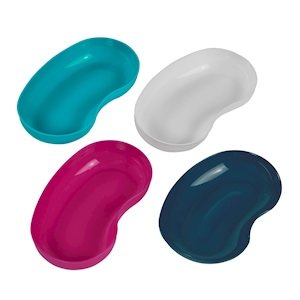
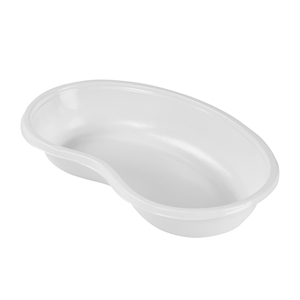
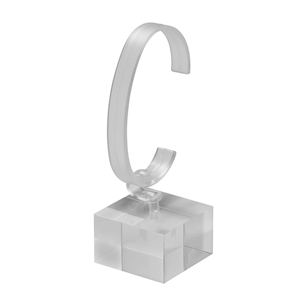
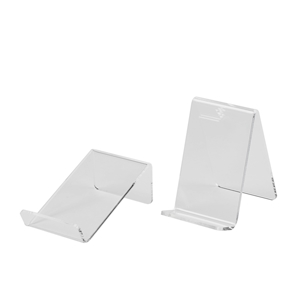
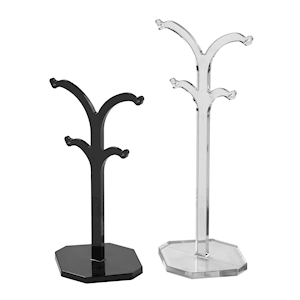
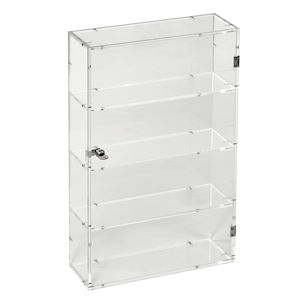
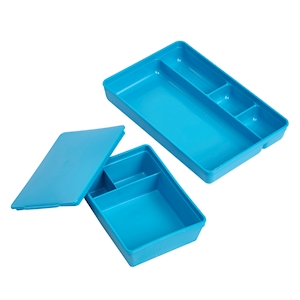
Semadeni stocks displays, display cases, covers, trays and dishes in acrylic glass (PMMA), polypropylene (PP) and polycarbonate (PC) in many standard formats in the shop.
Laminating presses acrylic sheets together in a roller press. Logos, lettering or flat objects placed between the sheets remain permanently enclosed in the transparent material. This produces awards, trophies, presentation pieces and decorative objects. Build-up, frame and pressing sequence are defined according to the insert and sheet thickness.
All thermoplastics can be thermally formed, e.g. PMMA, PP, PVC-U and PC. The required bending temperature depends on the type and sheet thickness and is defined material-specifically. Thermosets such as GRP or epoxy resins cannot be thermally bent.
Yes, provided it is correctly preheated and formed at a suitable temperature. Forming that is too fast or too cold creates stresses and clouding. We therefore control preheating and bending temperature according to the specific PMMA type and thickness.
We process sheet formats up to around 2500 × 1250 mm; the exact maximum depends on material and sheet thickness. Larger or multi-part tasks we solve through segmentation and subsequent joining – clarified per project.
Because no injection mould is needed, bending and thermoforming are economical from a single part and for small series. For very high quantities of identical parts, injection moulding can be cheaper – we are happy to check this comparison for your project.
Precision plastic cutting to size and CNC machining – for single parts, small batches and standard formats. Semadeni machines acrylic, PP, PE, PVC, PC and all common thermoplastics from batch size one.
Injection-moulded parts in series from our own plant in Switzerland – clamping forces from 22 to 180 t, an ISO 7 cleanroom, technical and food-grade thermoplastics. As contract moulding on your tool, or on a tool from our own mould shop.
Plastic solutions for industry, mechanical engineering and trade: spill pallets, containers, cut-to-size semi-finished products and special constructions in PP, PE, PVC-U and other technical thermoplastics – custom manufacturing to drawing from batch size one, from Swiss production in Ostermundigen.
Send us your drawing, template or sample with the material and quantity. We check formability, clarify the tool required and prepare a quote – personally from Switzerland.

The goal is a publishable base without wrong information – not completeness. Anything missing or that could go deeper: report it as "idea for later". We will keep expanding after go-live.
You go through your pages and report what is factually wrong. Expect three to five minutes per page.
Please report: Anything missing, outdated or wrong – and anything visibly broken.
Please don't report: Taste, wording polish, wishes. And that forms do not arrive: that is intentional.