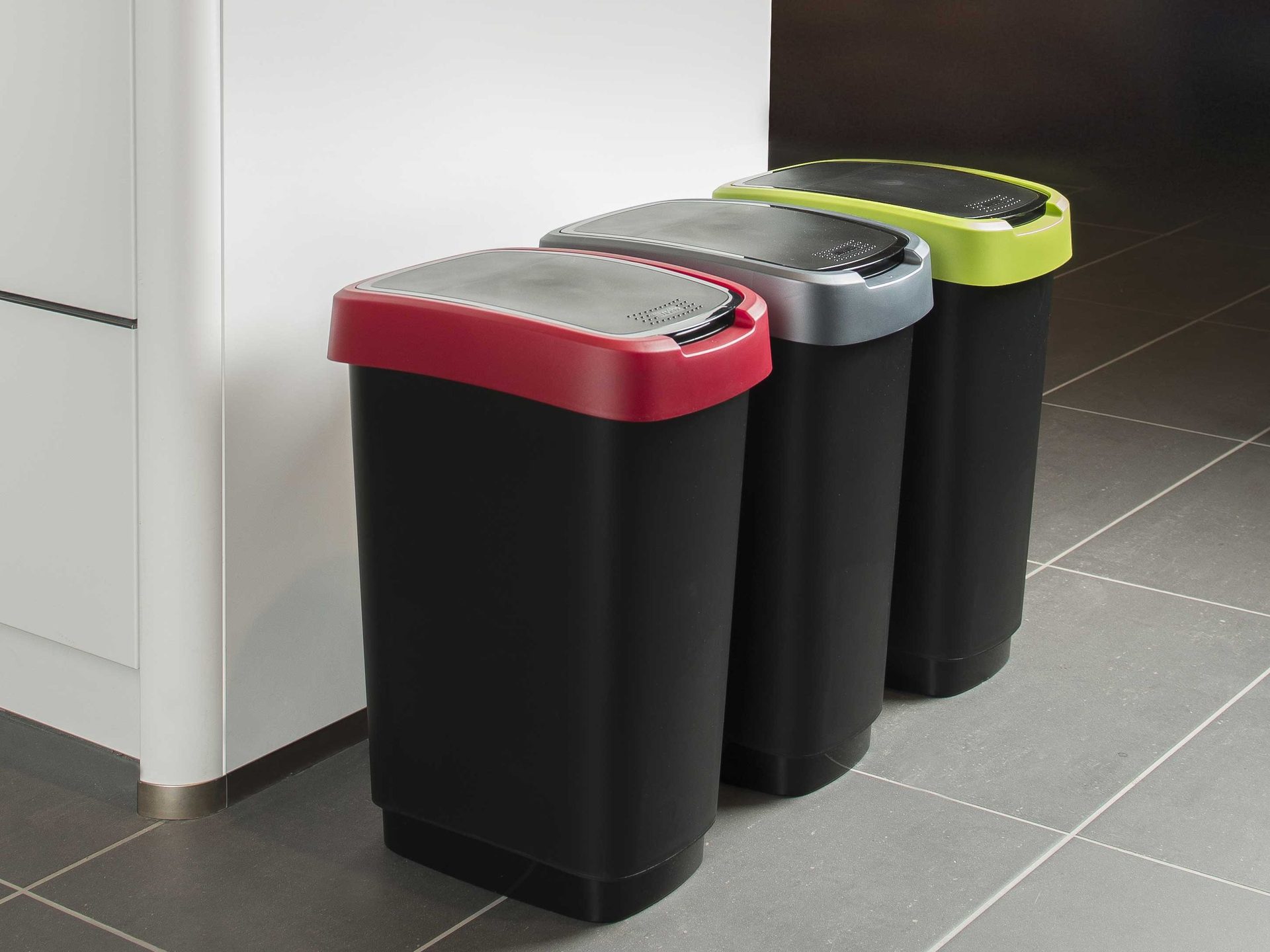
Recycled plastics keep the material in the loop and reduce the need for virgin material. We use them where standards and application requirements allow – per product and with care, without blanket promises.
At a glance
A recyclate is a plastic reprocessed from collected waste material instead of being produced anew from crude oil. Common types are post-consumer recyclates (PCR) from end-user waste and post-industrial recyclates (PIR) from production scrap. Semadeni carries containers and packaging with recyclate content – primarily where no direct food or safety contact is required. Which share and which material make sense is decided by the application: sorting purity, required tolerances, appearance and applicable standards set the frame. We therefore state the possible recyclate share per product and check beforehand whether the standard and use permit it – rather than advertising with blanket percentage promises.
Two routes to recyclate
What are you looking for?
Trade & webshop
I am looking for products made of recyclate
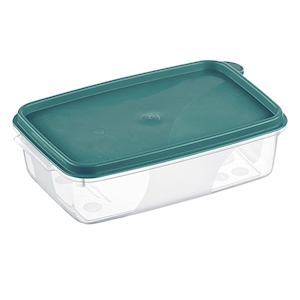
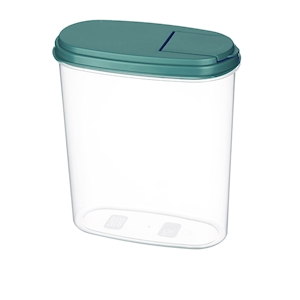
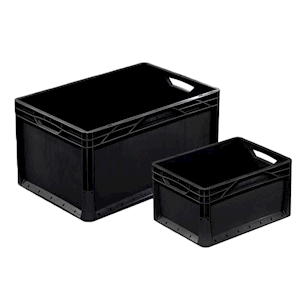
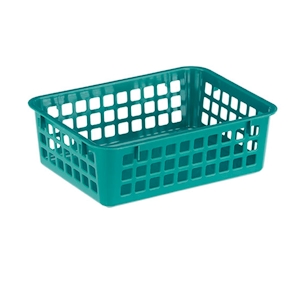
Bottles, jars, boxes, baskets, pallets and bags with recyclate content can be ordered ex stock. The webshop carries dimensions, availability and prices.
In injection moulding and development we check which recyclate type and which share your part can carry – with an eye on function, tolerance, appearance and standard.
Material selectionFeasibilityStandards checkSeries production
Where recyclates make sense – and where they don't
Not every application allows recyclate. We use it in a targeted way: for industrial containers and technical parts without direct food contact and without safety-critical function, where a wider colour and tolerance range is acceptable. Safety, medical and directly food-contacting parts are assessed separately.
Suitable: industrial containers, sorting and transport boxes, technical parts
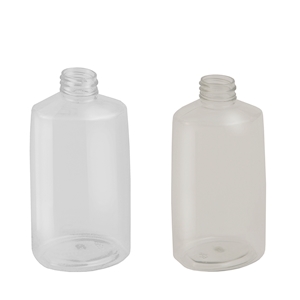
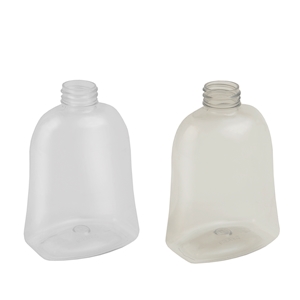
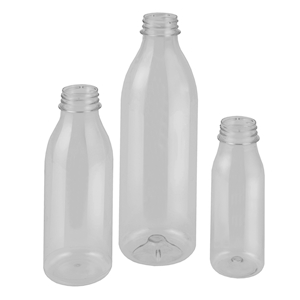
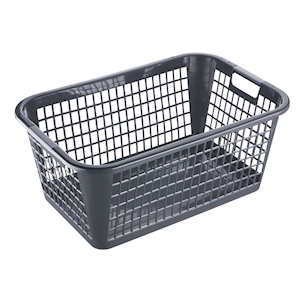
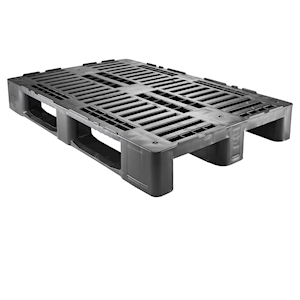
These six assortment areas carry items with recyclate content ex stock: bottles in rPET, jars in a recyclate version, Euro boxes and baskets in recycled polypropylene, pallets in PE-HD regranulate as well as bags and sacks in rPE. Dimensions, availability and prices are carried by the webshop; the possible recyclate share of a specific item we state per product on request.
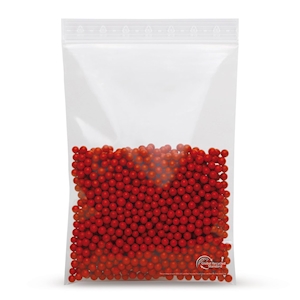
Flat bags and press-seal bags in rPE-LD as well as further bags in recycled material – for packaging, order picking and dispatch.
In the shop
Materials
rPP, rPE and rPET at a glance
The three recyclate types we use regularly. Which one carries is decided by the application – the data sheets state the properties, limits and typical fields of use of the respective base material.
Benefits & limits
What recyclates deliver – and what to watch
Recyclates keep material in the loop and reduce the need for virgin material. At the
same time, technical and regulatory limits apply, which we check before every use.
In favour
Lower need for primary plastic from crude oil
Closes material loops and re-uses valuable resources
Well-usable property level for many technical applications
Recycled content for your own targets and the upcoming packaging regulation
What to watch
Direct food contact only with an approved process chain (EU 10/2011)
Colour and tolerance can scatter more than with virgin material
Sorting purity of the collected material determines achievable quality
Assess safety and medical parts separately
Regulation
From 2030 recyclate is mandatory – the PPWR quotas
The EU packaging regulation PPWR (Regulation (EU) 2025/40) sets binding minimum
shares of post-consumer recyclate for plastic packaging in its Article 7. It applies
directly in all member states from 12 August 2026; the recyclate quotas take effect
on 1 January 2030 at the earliest and rise again in 2040. Swiss manufacturers are affected as soon as
they place packaging on the market in the EU – anyone developing packaging today
therefore plans the recyclate share in from the start.
Packaging type
Packaging type
from 1.1.2030
from 1.1.2040
Contact-sensitive PET packaging (excluding single-use beverage bottles)
30 %
50 %
Contact-sensitive packaging in polymers other than PET
10 %
25 %
Single-use plastic beverage bottles
30 %
65 %
Other plastic packaging
35 %
65 %
Minimum share of post-consumer recyclate per unit of sale under Article 7 of Regulation (EU) 2025/40. Exempted are, among others, packaging for infant food, dangerous goods, medicinal products, medical devices and in-vitro diagnostics as well as compostable packaging.
A recyclate is a plastic reprocessed from collected waste material instead of being produced anew from crude oil. A distinction is made between post-consumer recyclate (PCR, from end-user waste) and post-industrial recyclate (PIR, from production scrap). The achievable quality depends on sorting purity and reprocessing.
Which products does Semadeni offer in recyclate?
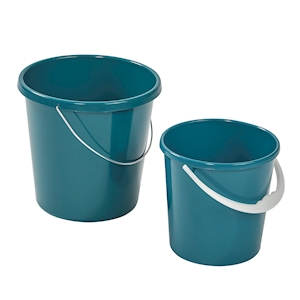
In the webshop you will find bottles in rPET, jars with recyclate content, Euro boxes in rPP, baskets and buckets in recycled polypropylene, pallets in PE-HD regranulate as well as bags and sacks in rPE. The recyclate share possible for a specific item is stated per product – and we check beforehand whether the standard and application permit its use.
Not across the board. Direct food contact is governed by the requirements of EU 10/2011; recycled plastics need a suitable, approved process chain for this. We therefore use recyclates in a targeted way in applications without direct food contact and always clarify the use per product and batch.
Which recyclate share does the PPWR require from 2030?
Article 7 of Regulation (EU) 2025/40 prescribes minimum shares of post-consumer recyclate that take effect on 1 January 2030 at the earliest: 30 per cent for contact-sensitive PET packaging, 10 per cent for contact-sensitive packaging in other polymers, 30 per cent for single-use plastic beverage bottles and 35 per cent for other plastic packaging. From 2040 the quotas rise to 50, 25, 65 and 65 per cent. Swiss manufacturers are affected as soon as they place packaging on the market in the EU.
Does a recyclate have the same quality as virgin material?
With suitable sorting purity and reprocessing, recyclates reach a well-usable property level for many technical applications. Colour, tolerance and mechanical consistency can scatter more widely than virgin material – so we choose the material based on requirements rather than a blanket quality promise.
How much CO₂ does a recyclate save versus virgin material?
Recyclates save energy and CO₂ because the energy-intensive primary production from crude oil is avoided. The concrete benefit depends on material, reprocessing and balance boundary, and can only be quantified seriously with a product-specific carbon footprint. We deliberately make no blanket percentage promises – we substantiate values per product.
Can you convert my existing product to recyclate?
Yes – in injection moulding and product development we check which recyclate type and which share your part can carry. Function, required tolerances, appearance and the applicable standards are decisive. Where the part does not allow a conversion, we say so – and show instead what recycling-friendly design can contribute.
The goal is a publishable base without wrong information – not completeness. Anything missing or that could go deeper: report it as "idea for later". We will keep expanding after go-live.
You go through your pages and report what is factually wrong. Expect three to five minutes per page.
Read the page like a customer, not like a proofreader – and only this page, not the ones it links to. Those are on someone else's list.
Report anything that stands out right here – a picture of the page is attached automatically. For a specific passage: select it, right-click, "Copy link to highlight", and paste the link into your report.
At the end click "Mark page as reviewed" – the button stays at the bottom of this panel. Even if you found nothing – otherwise "nothing reported" cannot be told apart from "never looked at". And also if you did report something: the tick means "looked at", not "free of errors".
If a page belongs to someone else's field: "Bring someone in" for a single spot, "Hand over page" for the whole page.
Your task list shows at any time what is yours, what is still open and what became of your reports.
Please report: Anything missing, outdated or wrong – and anything visibly broken.
Please don't report: Taste, wording polish, wishes. And that forms do not arrive: that is intentional.