Robust plastic containers that withstand many rotations: reusable PP and PE-HD containers are often more material-efficient than single-use packaging across the entire life cycle – provided they stay in circulation for a long time.
At a glance
A reusable container is designed for many use cycles and is refilled after cleaning – unlike single-use packaging. Typical materials are robust polypropylene (PP) and high-density polyethylene (PE-HD), because they withstand numerous cleaning and transport cycles and remain recyclable by single material at end of life. Semadeni stocks the common rotation containers: Euro and stacking containers, folding and collapsible boxes, plastic pallets, pallet boxes, canisters and drums as well as reusable PP cups. Whether reuse is the better choice in a specific case is decided by the whole life cycle: material footprint, return, cleaning and transport distances all feed into the balance. As the number of rotations rises, the manufacturing effort is spread across many uses and the eco-balance often improves. Where no standard container fits, we develop and produce it by injection moulding.
Two routes to reuse
What are you looking for?
Trade & web shop
I need reusable containers from stock
Euro containers, folding boxes, pallets, large containers, canisters and reusable cups are available from stock. The web shop carries dimensions, availability and prices.
Euro containersPlastic palletsCanisters & drumsReusable cups
If no standard size fits, we develop and produce the rotation container by injection moulding – including marking, colour coding and contract packing for the return leg.
Used only once, a robust reusable plastic container usually causes higher environmental impacts per use than a lightweight single-use container. Over many rotations the balance flips: robust PP and PE-HD containers spread their material footprint across many uses and replace a corresponding number of single-use items. Where the threshold lies depends on logistics, cleaning and transport.
Designed for many use cycles in industrial environments
Food contact verifiable per product under EU 10/2011
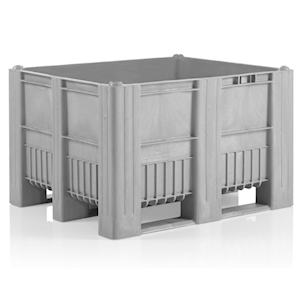
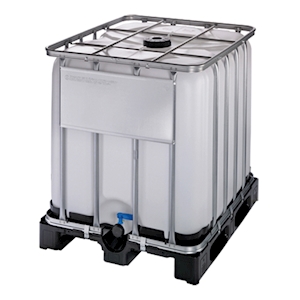
These six assortment areas carry containers built for rotation: Euro and stacking containers for intralogistics, folding boxes for a space-saving return leg, plastic pallets and pallet boxes for inter-site traffic, canisters and drums for liquids, and reusable PP cups for hospitality and events. Dimensions, availability and prices are in the web shop; special formats, marking and colour coding we discuss directly.
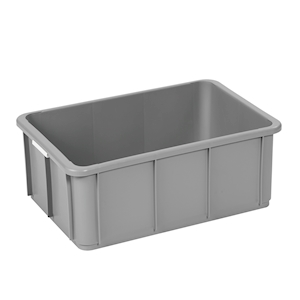
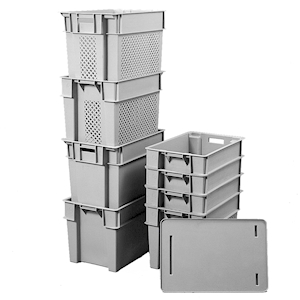
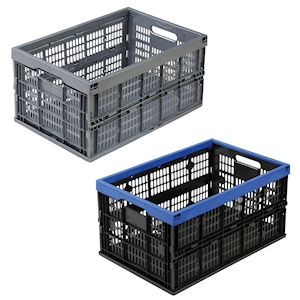
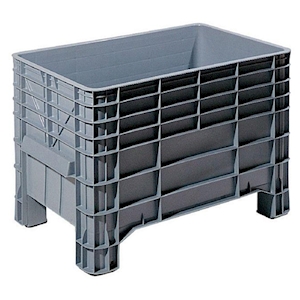
Euro-standard containers in the 600×400 mm base size and stacking boxes in PP and PE-HD – the workhorses of internal rotation, combinable with lids and dividers.
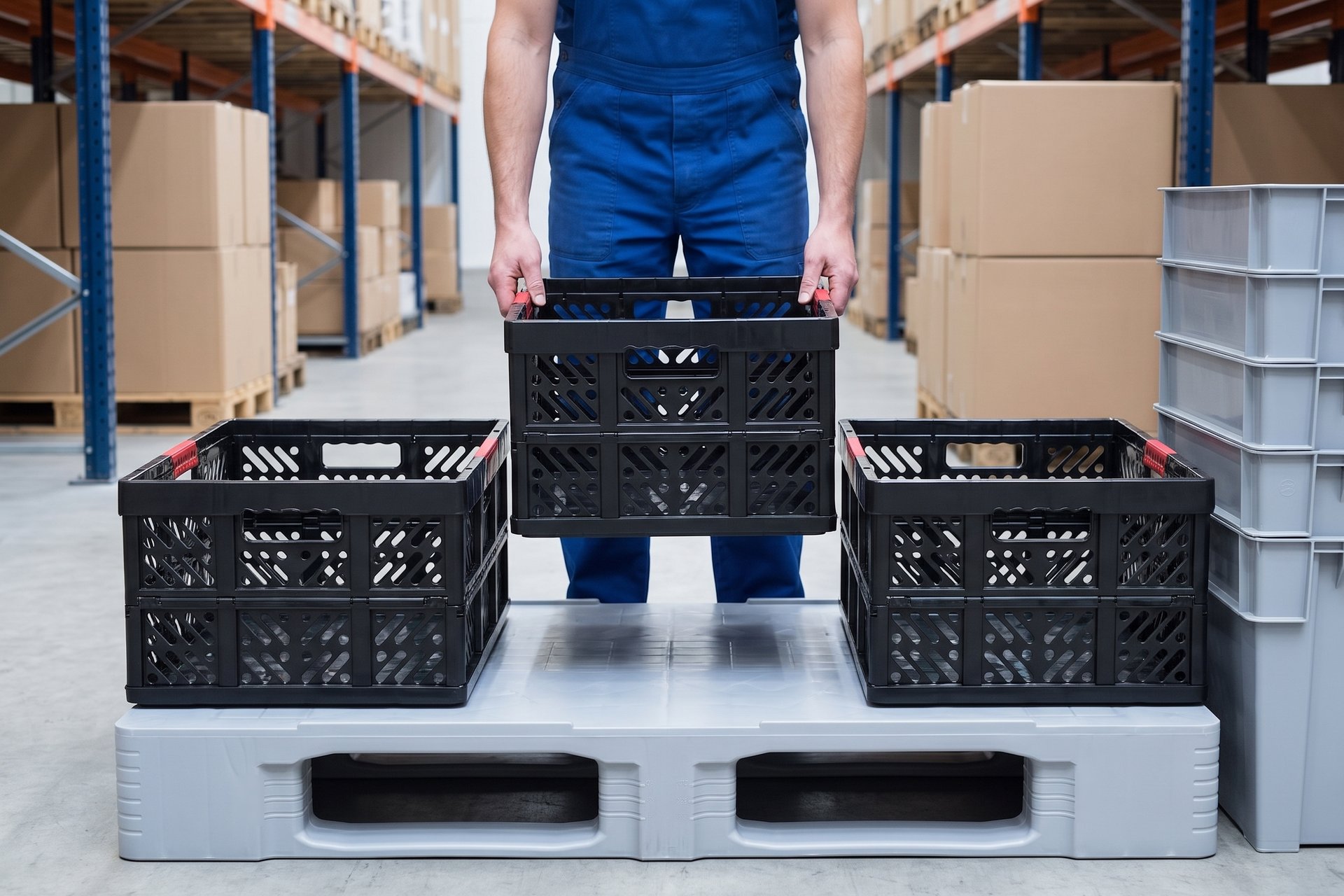
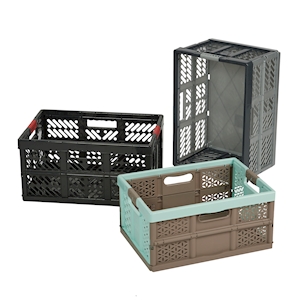
Folded flat for the return trip: empty boxes need a fraction of the volume and make the way back economical – exactly where reuse systems otherwise fail.
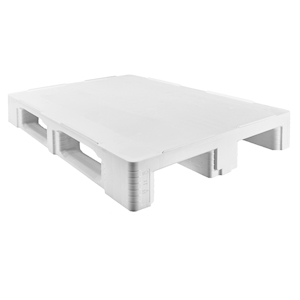
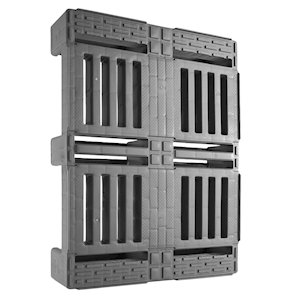
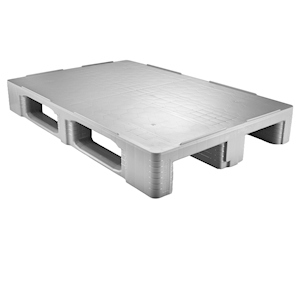
Euro, half and industrial pallets in PE-HD including pallet lids – hygienically washable, splinter-free and dimensionally stable across many rotations.
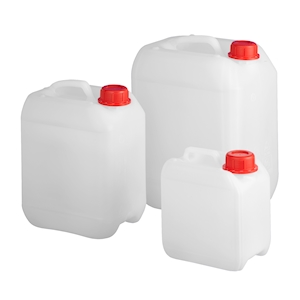
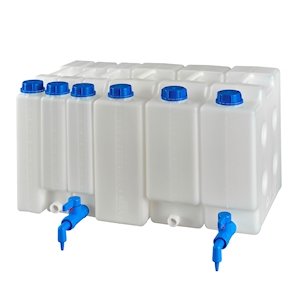
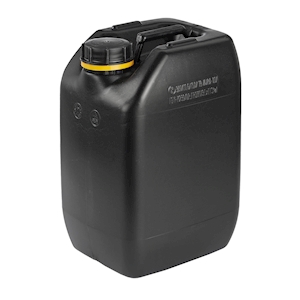
Stacking and flat canisters plus wide-mouth drums in PE-HD from 5 to 220 litres – refillable, sealable and chemically resistant depending on the medium.
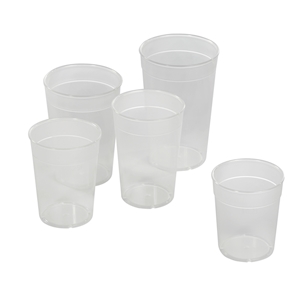
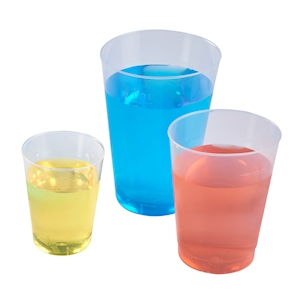
Thick-walled PP cups for hospitality, events and staff catering – dishwasher-safe, designed for many rotations and individually printable. The link opens the category already filtered to reusable.
Reuse plays to its strengths when containers complete many rotations and return as well
as cleaning are organized. Where these conditions are missing, the advantage is smaller.
In favour
Material footprint is spread across many uses
Robust, durable containers made of PP and PE-HD
Recyclable by single material at end of life
Individually markable and labellable
To be clarified
Return and cleaning must be organized
The advantage only arises above a sufficient number of rotations
Transport distances influence the eco-balance
Check hygiene requirements per application
Regulation
Reuse becomes mandatory – the PPWR quotas
The EU packaging regulation PPWR (Regulation (EU) 2025/40) sets binding minimum shares
of reusable packaging in Article 29. It applies directly in all member states from
12 August 2026. Transport packaging is hit particularly hard: pallets as well as
plastic crates and trays must be 100 per cent reusable in traffic between companies
within one country and between sites in the EU. Swiss companies are affected as soon
as they place packaging on the EU market – and anyone using reusable packaging must
demonstrate a working return and reconditioning system, not just the container.
Packaging
Packaging
Cross-border trade
Transport within one country
Transport within the EU
Pallets
40 %
100 %
100 %
Plastic crates and trays
40 %
100 %
100 %
Strapping and wrapping
40 %
—
—
Beverage packaging (exceptions e.g. milk)
10 %
—
—
Minimum shares of reusable packaging under Article 29 of Regulation (EU) 2025/40. Exempt are, among others, dangerous-goods packaging, special sizes for large-volume machinery, flexible packaging in direct contact with food and feed as well as cartonboard; in February 2026 the European Commission exempted pallet wraps and stretch bands from the 100 per cent obligation.
A reusable container is designed for many use cycles and is refilled after cleaning – unlike single-use packaging. Typical materials are robust PP and PE-HD. Reuse pays off when a container completes many rotations over its service life.
Which reusable containers does Semadeni stock?
The web shop carries Euro and stacking containers, folding and collapsible boxes, plastic pallets with accessories, pallet boxes and large containers, canisters and wide-mouth drums as well as reusable PP cups. Dimensions, availability and prices are in the shop; for special formats and marking, talk to us.
Does reusable always have a better eco-balance than single-use?
Not automatically. What matters is the whole life cycle: a robust reusable container spreads its material footprint across many uses but incurs effort for return and cleaning. Above a certain number of rotations the eco-balance is usually more favourable than single-use – the exact threshold depends on logistics, cleaning and transport distances.
Which reuse quotas does the PPWR require?
Article 29 of Regulation (EU) 2025/40 sets binding minimum shares of reusable packaging. For pallets as well as plastic crates and trays: 40 per cent in cross-border trade and 100 per cent for transport between companies within one country and between sites in the EU; for beverage packaging 10 per cent. Anyone using reusable packaging must also demonstrate a working return and reconditioning system from 12 August 2026.
A step-by-step start makes sense: match container size and type to the process, organize cleaning and return, and begin with a clearly defined use case. We advise on selecting robust, stackable containers and support you with custom marking or labelling.
Can you manufacture a reusable container to our specification?
Yes. Where no standard container fits, we develop and produce the container by injection moulding – from design through the mould to series production, including marking, colour coding and contract packing for the rotation.
Are reusable containers suitable for food contact?
For direct food contact we use materials and products that meet the requirements of EU 10/2011 – verified per product and per batch. Suitable PP and PE-HD containers are generally resistant to cleaning and disinfection and therefore suited to repeated use in foodservice.
Which materials are suitable for reuse?
Robust, impact-resistant thermoplastics such as polypropylene (PP) and high-density polyethylene (PE-HD) work well because they withstand many cleaning and use cycles and remain recyclable by single material at end of life. Which material fits depends on load, temperature and media contact – we select it for the specific application.
The goal is a publishable base without wrong information – not completeness. Anything missing or that could go deeper: report it as "idea for later". We will keep expanding after go-live.
You go through your pages and report what is factually wrong. Expect three to five minutes per page.
Read the page like a customer, not like a proofreader – and only this page, not the ones it links to. Those are on someone else's list.
Report anything that stands out right here – a picture of the page is attached automatically. For a specific passage: select it, right-click, "Copy link to highlight", and paste the link into your report.
At the end click "Mark page as reviewed" – the button stays at the bottom of this panel. Even if you found nothing – otherwise "nothing reported" cannot be told apart from "never looked at". And also if you did report something: the tick means "looked at", not "free of errors".
If a page belongs to someone else's field: "Bring someone in" for a single spot, "Hand over page" for the whole page.
Your task list shows at any time what is yours, what is still open and what became of your reports.
Please report: Anything missing, outdated or wrong – and anything visibly broken.
Please don't report: Taste, wording polish, wishes. And that forms do not arrive: that is intentional.